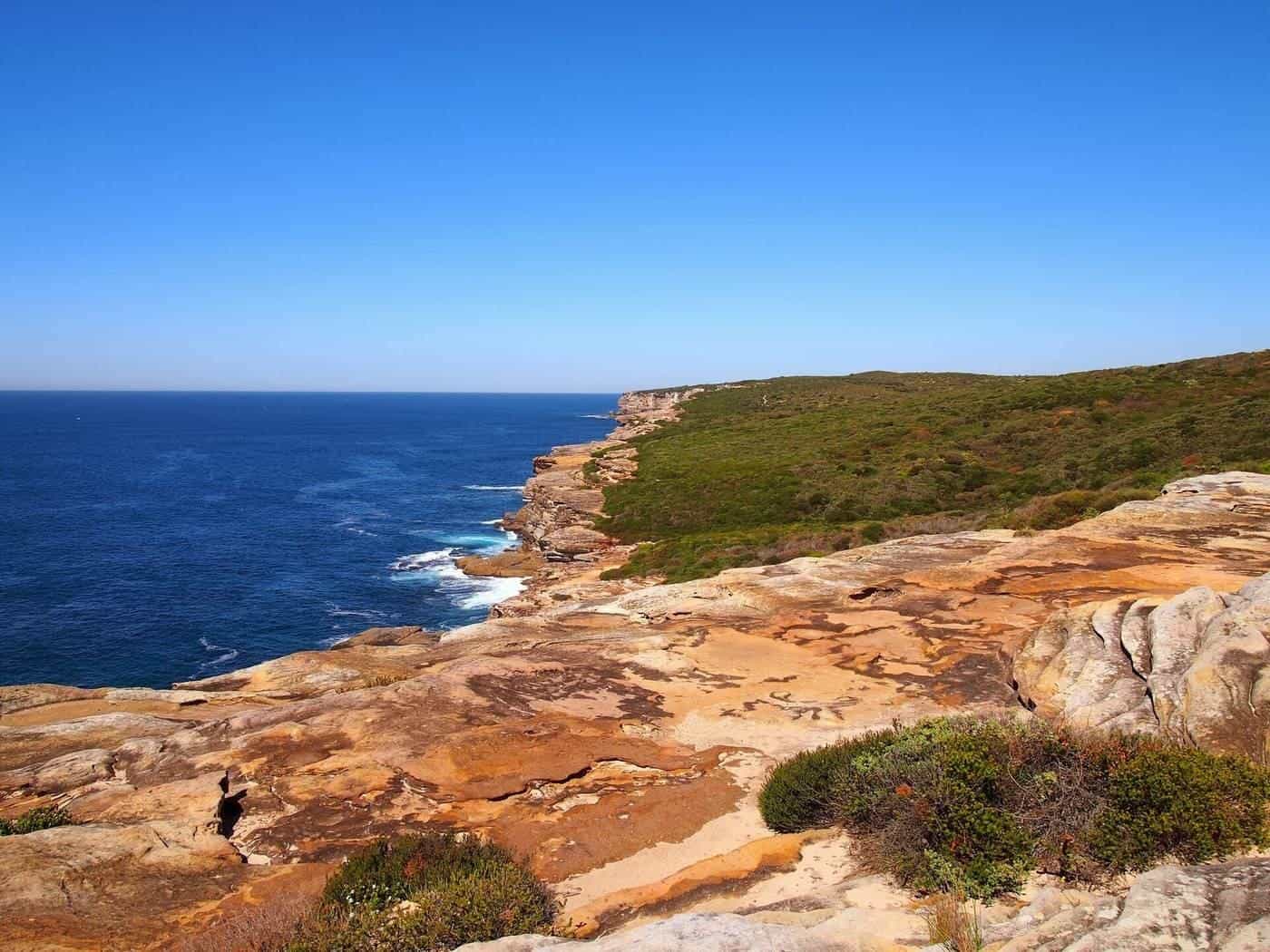
Australia's coastline offers some of the country's most popular walks, from short clifftop strolls to multi-day coastal tracks. The views are spectacular, but coastal walks have their own hazards: cliff edges, slippery rock platforms, waves, tides and long exposed sections in strong sun. This guide covers what to know before you go.
This guide is general information written in our own words, based on the official sources listed at the end. Track conditions, closures, fire danger and safety advice change, and rules differ between parks and states, so always check current park alerts and the managing agency's advice before you go. It is not a substitute for first aid training or local knowledge. In an emergency, call Triple Zero (000).
Coastal walks can be harder than they look
Coastal tracks often look easy on a map, but many include steep climbs between beaches, hundreds of steps, soft sand and rocky sections. Long stretches can be completely exposed to sun and wind. Check the grade, distance and terrain in the official walk description, and plan for your group's slowest walker. Our choosing a walk guide explains track grades.
Cliff edges
Cliff edges can be undercut, crumbly or slippery, and edges sometimes collapse without warning. Stay on formed tracks and behind barriers and fences, keep well back from edges, especially in wind, and keep children within reach. Never climb barriers for a better photo.
Rock platforms and waves
Rock platforms can be dangerous. Large waves can wash over platforms unexpectedly, particularly in big swell, and wet rocks and algae are slippery. If your track crosses a platform:
- Check the marine forecast for swell and wind.
- Watch the sea for several minutes before crossing to see how far waves reach.
- Stay well back from the water's edge, and never turn your back on the sea.
- If in doubt, wait or turn back.
Tides and beach crossings
Some coastal routes include beaches, headlands or creek mouths that are only passable at lower tides. Track notes from parks agencies often mention these. Check tide times before you go, allow plenty of time, and don't attempt a crossing if the water is rough or rising. Creek and lagoon mouths can change after heavy rain.
Sun, heat and wind
Coastal walks often have little shade. Wear a broad-brimmed hat, sunscreen and long, light clothing, and carry plenty of water: NSW National Parks recommends at least 2 litres per person as a minimum. Start early in summer, and check the fire danger rating; coastal heath can burn too. Our heat and fire danger guide explains the ratings.
Strong winds can make clifftops dangerous and make walking tiring. Choose sheltered walks on very windy days.
Swimming
Many coastal walks pass beaches that are unpatrolled. Unpatrolled beaches can have rips and other hazards. If you plan to swim, choose patrolled beaches and swim between the flags, and don't swim alone.
Wildlife on the coast
Coastal walks are excellent for wildlife watching: seabirds, migrating whales in the cooler months in many areas, and coastal reptiles and mammals. Watch from a distance, don't feed animals and keep to tracks to protect nesting areas and fragile dune vegetation.
Logistics
Many coastal walks are one-way. Plan your transport at both ends before you start, whether that's a car shuttle, public transport or a pick-up. Check where toilets and drinking water are available; often they are not.
Leave No Trace on the coast
Dunes and coastal heath are fragile. Stay on tracks, carry out all rubbish, and leave shells, plants and rocks where you found them, in line with Leave No Trace principles. See our Leave No Trace guide.
Choosing the right season
Many coastal walks are at their best in autumn, winter and spring, when temperatures are milder and there is less risk of heat stress on exposed sections. Cooler months can also bring stronger winds and bigger swell, so check the marine forecast as well as the land forecast. In summer, choose shorter coastal walks and start at first light.
A simple pre-walk check
Before a coastal walk, check the weather and marine forecast, tide times, park alerts and fire danger rating. Confirm transport at both ends of a one-way walk. Pack plenty of water, sun protection, a windproof layer and a first aid kit, and tell someone your plans. If conditions look rough on the day, choose a sheltered inland walk instead.
Walking with others on busy tracks
Popular coastal tracks can be crowded on weekends and holidays. Walk in single file on narrow sections, give way where it is safe to step aside, and keep to the track rather than trampling vegetation to pass. Starting early often means quieter tracks as well as cooler temperatures.
Use our pack list
Our free pack list builds a checklist from the type of walk and the conditions you choose, such as hot weather, cold or alpine areas, remote walks without phone coverage and walking with children. It is based on NSW National Parks' bushwalking safety advice, runs entirely in your browser, and nothing you choose is sent anywhere.
Where our information comes from
Factual statements in our guides are based on official and expert sources, including NSW National Parks and Wildlife Service, the Australian Maritime Safety Authority, healthdirect, the Australian and New Zealand Committee on Resuscitation, St John Ambulance, the Australian Fire Danger Rating System, the NSW Rural Fire Service, the Bureau of Meteorology, Leave No Trace Australia and Parks and Wildlife Service Tasmania. We link to each source at the end of the page and write everything in our own words.
Conditions change
Tracks close for fire, flood, storm damage, maintenance and pest control, and conditions can change quickly. Safety advice and park rules are also updated from time to time, and they differ between states and parks. Treat our guides as a starting point, and always check current park alerts, the weather forecast and the fire danger rating with the managing agency before you go.
Other states and territories
Our examples often draw on NSW National Parks advice, because it is detailed and clearly written, but every state and territory has its own parks agency, rules and safety information. Before walking in another state, check that agency's website for park alerts, bookings, fire and camping rules, and any trip registration options.
Learn first aid and navigation
Two skills make the biggest difference for regular walkers: first aid and navigation. A recognised first aid course teaches you how to manage injuries, snakebite and medical emergencies until help arrives. Navigation skills, including reading a topographic map and using a compass, help you stay on route when signs are missing or your phone fails. Walking clubs often run navigation training.
Walking clubs
Bushwalking clubs are a great way to build experience. Club walks are usually graded, led by experienced members and planned with safety in mind, and many clubs run training in navigation, first aid and multi-day walking. They are also a good way to discover new walks and meet people who share your interest.
A quick checklist
If you remember only a few things from our guides, make them these: choose a walk that suits the slowest person; check the weather, park alerts and fire danger; carry water, food, layers, a map, a torch and a first aid kit; tell someone your plans; carry a PLB for remote walks; and turn back when conditions change. In an emergency, call Triple Zero (000).
Respect Country
Every walk in Australia is on the Country of Aboriginal and Torres Strait Islander peoples, many of whom continue to care for these places. Learn about the Traditional Owners of the areas you visit, respect any requests about culturally significant sites, and leave cultural places undisturbed.
Key points
- Coastal tracks often have steep sections, sand and long exposed stretches.
- Stay behind barriers and well back from cliff edges.
- Check swell and tides, and never turn your back on the sea on rock platforms.
- Carry plenty of water and sun protection.
- Plan transport for one-way walks before you start.
Frequently asked questions
Are coastal walks easy?
Not always. Many coastal tracks have steep sections, steps, sand and long exposed stretches with little shade.
Is it safe to walk on rock platforms?
Rock platforms can be dangerous in big swell and are often slippery. Stay well back from the water's edge and never turn your back on the sea.
Do tides matter on coastal walks?
Yes. Some beach and headland sections can only be crossed safely at lower tides. Check tide times and track notes before you go.
How much water do I need on a coastal walk?
At least 2 litres per person, as NSW National Parks recommends, and more on hot, exposed walks.
Sources and further reading
Facts on this page were checked against these primary and official sources. Conditions change — confirm before you travel or buy.
- Bushwalking safety — NSW National Parks and Wildlife Service
- Think Before You TREK — NSW National Parks and Wildlife Service
- Australian Walking Track Grading System — NSW National Parks and Wildlife Service