Australia's parks and bushland are shared by millions of visitors, and small impacts add up. Leave No Trace is a set of seven principles that help walkers enjoy natural and cultural places while minimising their impact. This guide explains each principle and what it looks like in practice on Australian tracks.
This guide is general information written in our own words, based on the official sources listed at the end. Track conditions, closures, fire danger and safety advice change, and rules differ between parks and states, so always check current park alerts and the managing agency's advice before you go. It is not a substitute for first aid training or local knowledge. In an emergency, call Triple Zero (000).
The seven principles
Leave No Trace Australia lists seven principles:
- Plan ahead and prepare.
- Travel and camp on durable surfaces.
- Dispose of waste properly.
- Leave what you find.
- Minimise campfire impacts.
- Respect wildlife.
- Be considerate of your hosts and other visitors.
Leave No Trace Australia stresses that the principles emphasise attitude and awareness rather than rules, and that practices should be adapted to each place. Parks and Wildlife Service Tasmania also promotes the seven principles. Park rules and regulations still apply wherever you walk.
1. Plan ahead and prepare
Good planning reduces impacts and keeps you safe. Know the rules for the area, such as camping, fire and dog rules, check conditions, carry the right gear, and plan to be self-sufficient. Visiting outside peak times and in small groups reduces crowding and wear.
2. Travel and camp on durable surfaces
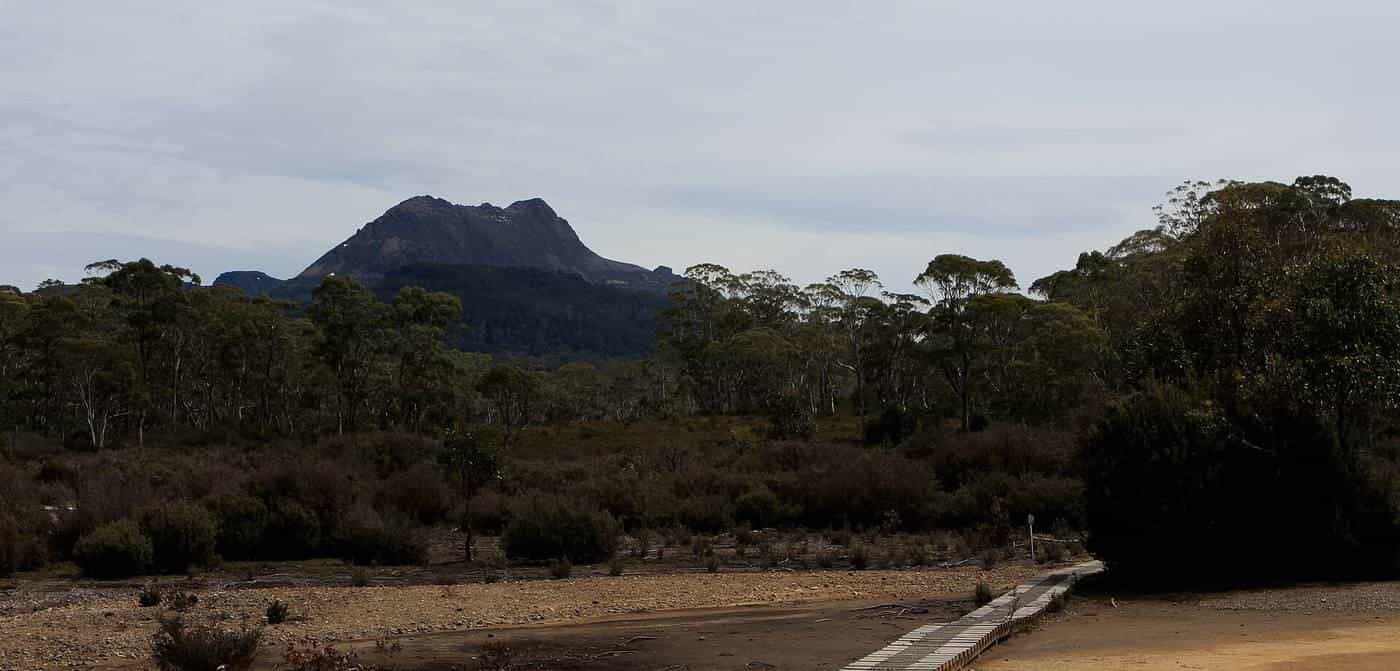
Stay on formed tracks, even when they're muddy, rather than walking around puddles and widening the track. Don't cut corners on zigzags. Camp on established sites or durable surfaces, away from water. On fragile ground such as alpine areas, coastal dunes and wetlands, staying on tracks and boardwalks is especially important.
3. Dispose of waste properly
Carry out everything you carry in, including food scraps, fruit peels and wrappers. Use toilets where they're provided. Where there are none, follow the managing agency's guidance for toileting well away from water, tracks and campsites, and carry out toilet paper and hygiene products. Wash yourself and dishes away from creeks and lakes.
4. Leave what you find
Leave rocks, plants, shells, wood and other natural objects where they are, and never disturb Aboriginal cultural sites or historic heritage. Avoid spreading weeds and plant diseases by cleaning mud and seeds from boots and gear between areas.
5. Minimise campfire impacts
Many parks ban campfires, and fire bans apply on high-risk days. Parks and Wildlife Service Tasmania encourages using a fuel stove. Where fires are allowed, use existing fireplaces, keep fires small, and make sure they're completely out before leaving.
6. Respect wildlife
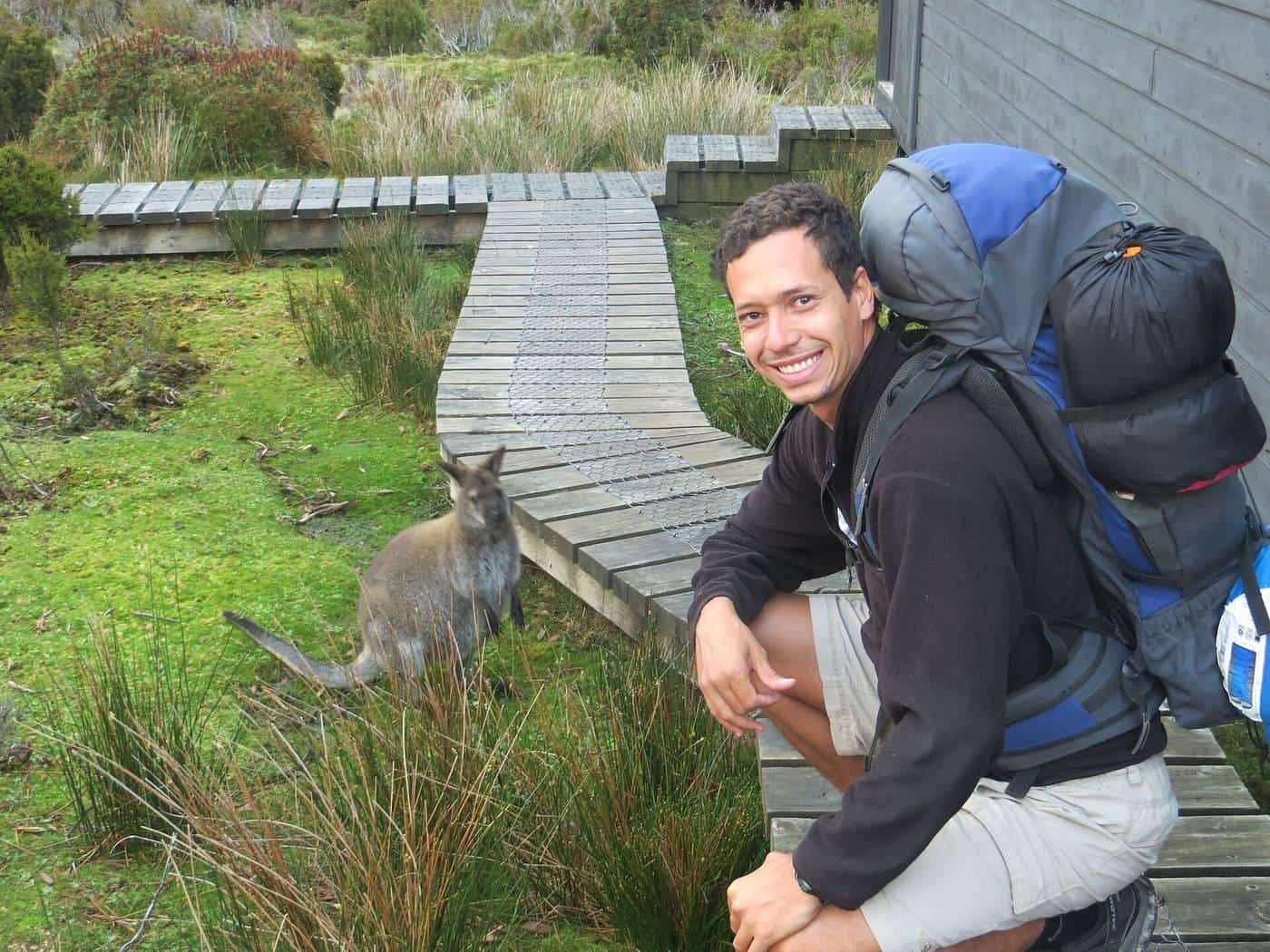
Watch animals from a distance, never feed them, and keep your food secured. Feeding wildlife can make animals sick, dependent on people or aggressive. Avoid disturbing animals during breeding or nesting. Follow park rules about dogs, which are not allowed in many national parks.
7. Be considerate of hosts and other visitors
Keep noise down, give way on narrow tracks, and share campsites. Respect the Traditional Owners of the land you walk on, and follow any requests about culturally significant places. Be considerate of private landholders and follow signs on tracks that cross private land.
Why it matters
Track erosion, rubbish, weeds, disturbed wildlife and fire scars are all avoidable impacts. Each walker's choices add up, and following these principles helps keep the places we love in good condition for others.
Getting started
You don't need special gear. Carry a rubbish bag, stay on tracks, clean your boots and leave places as you found them. Our pack list includes a rubbish bag and fuel stove for overnight trips.
Leave No Trace on short walks
The principles apply to short walks as much as long ones. On a family walk, it might mean staying on the track, carrying out fruit peels and wrappers, leaving flowers and shells where they are, and watching birds without disturbing them. Small habits learned on short walks carry over to longer trips.
Teaching children
Children often love the idea of leaving a place as they found it. Give them a small rubbish bag, explain why we stay on tracks, and make a game of spotting wildlife without disturbing it. Leave No Trace principles are a simple way to help children feel responsible for the places they visit.
Use our pack list
Our free pack list builds a checklist from the type of walk and the conditions you choose, such as hot weather, cold or alpine areas, remote walks without phone coverage and walking with children. It is based on NSW National Parks' bushwalking safety advice, runs entirely in your browser, and nothing you choose is sent anywhere.
Where our information comes from
Factual statements in our guides are based on official and expert sources, including NSW National Parks and Wildlife Service, the Australian Maritime Safety Authority, healthdirect, the Australian and New Zealand Committee on Resuscitation, St John Ambulance, the Australian Fire Danger Rating System, the NSW Rural Fire Service, the Bureau of Meteorology, Leave No Trace Australia and Parks and Wildlife Service Tasmania. We link to each source at the end of the page and write everything in our own words.
Conditions change
Tracks close for fire, flood, storm damage, maintenance and pest control, and conditions can change quickly. Safety advice and park rules are also updated from time to time, and they differ between states and parks. Treat our guides as a starting point, and always check current park alerts, the weather forecast and the fire danger rating with the managing agency before you go.
Other states and territories
Our examples often draw on NSW National Parks advice, because it is detailed and clearly written, but every state and territory has its own parks agency, rules and safety information. Before walking in another state, check that agency's website for park alerts, bookings, fire and camping rules, and any trip registration options.
Learn first aid and navigation
Two skills make the biggest difference for regular walkers: first aid and navigation. A recognised first aid course teaches you how to manage injuries, snakebite and medical emergencies until help arrives. Navigation skills, including reading a topographic map and using a compass, help you stay on route when signs are missing or your phone fails. Walking clubs often run navigation training.
Walking clubs
Bushwalking clubs are a great way to build experience. Club walks are usually graded, led by experienced members and planned with safety in mind, and many clubs run training in navigation, first aid and multi-day walking. They are also a good way to discover new walks and meet people who share your interest.
A quick checklist
If you remember only a few things from our guides, make them these: choose a walk that suits the slowest person; check the weather, park alerts and fire danger; carry water, food, layers, a map, a torch and a first aid kit; tell someone your plans; carry a PLB for remote walks; and turn back when conditions change. In an emergency, call Triple Zero (000).
Respect Country
Every walk in Australia is on the Country of Aboriginal and Torres Strait Islander peoples, many of whom continue to care for these places. Learn about the Traditional Owners of the areas you visit, respect any requests about culturally significant sites, and leave cultural places undisturbed.
Corrections and feedback
We review our guides against their sources and show the date each page was last checked. If you notice something out of date or incorrect, please tell us through our contact page. We read every message and correct mistakes promptly.
Key points
- Plan ahead, and know the rules for the area.
- Stay on formed tracks and camp on established sites.
- Carry out all rubbish, including food scraps.
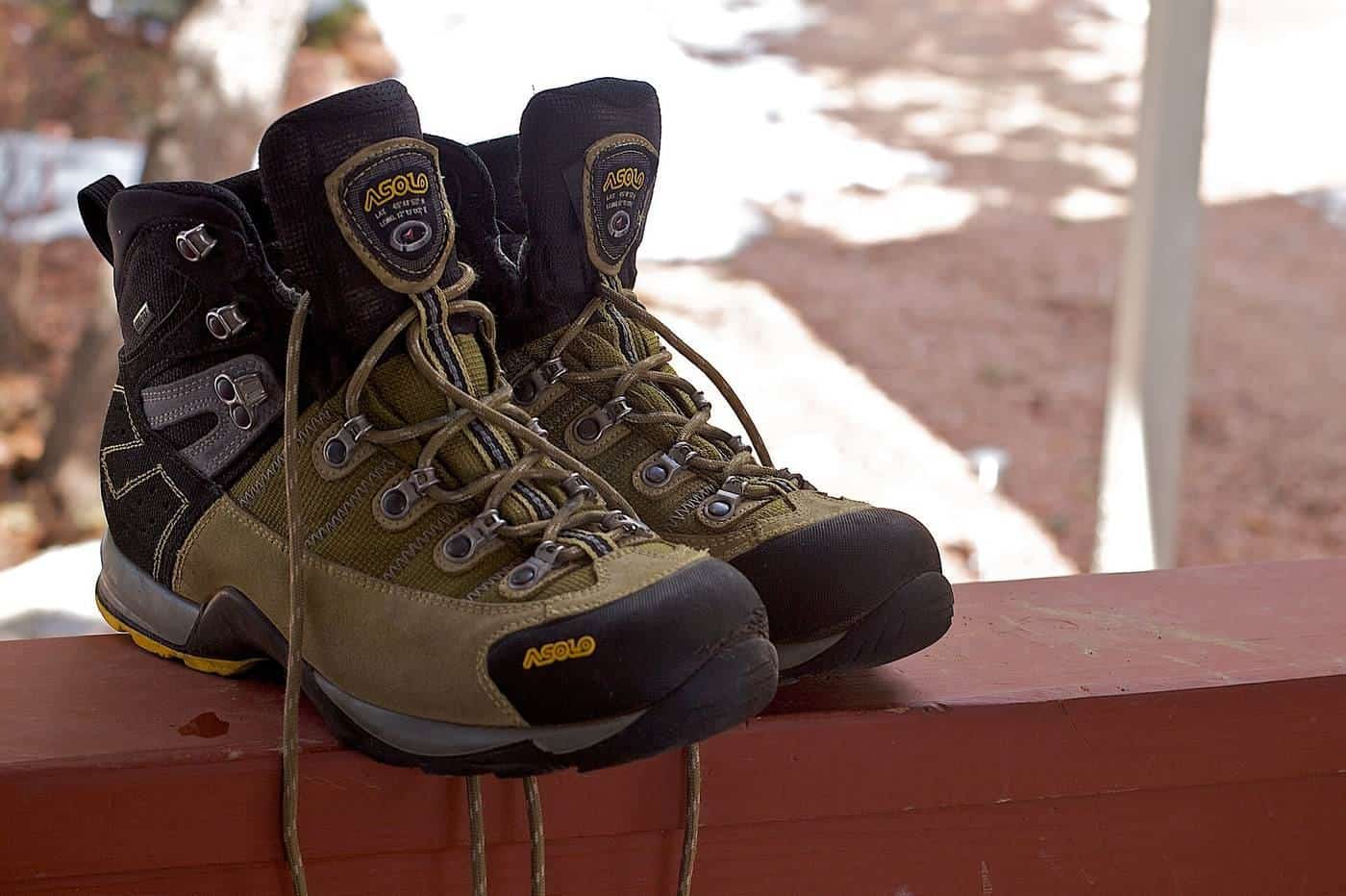
- Leave natural and cultural objects as you find them, and clean your boots.
- Use a fuel stove, respect wildlife and be considerate of others.
Frequently asked questions
What are the seven Leave No Trace principles?
Plan ahead and prepare; travel and camp on durable surfaces; dispose of waste properly; leave what you find; minimise campfire impacts; respect wildlife; and be considerate of your hosts and other visitors.
Is Leave No Trace a set of rules?
No. Leave No Trace Australia says it emphasises attitude and awareness rather than rules and regulations, though park rules still apply.
Can I feed wildlife?
No. Feeding wildlife harms animals and changes their behaviour.
What should I do with food scraps?
Carry them out with your other rubbish.
Sources and further reading
Facts on this page were checked against these primary and official sources. Conditions change — confirm before you travel or buy.
- 7 principles of Leave No Trace — Leave No Trace Australia
- Leave No Trace — Parks and Wildlife Service Tasmania
- Bushwalking safety — NSW National Parks and Wildlife Service