Many of Australia's best walks are in places with no mobile phone coverage. A personal locator beacon, or PLB, is a small device that can send a distress signal from almost anywhere with a clear view of the sky. This guide explains what PLBs do, when to carry one, how hire and registration work, and when to use one.
This guide is general information written in our own words, based on the official sources listed at the end. Track conditions, closures, fire danger and safety advice change, and rules differ between parks and states, so always check current park alerts and the managing agency's advice before you go. It is not a substitute for first aid training or local knowledge. In an emergency, call Triple Zero (000).
What a PLB does
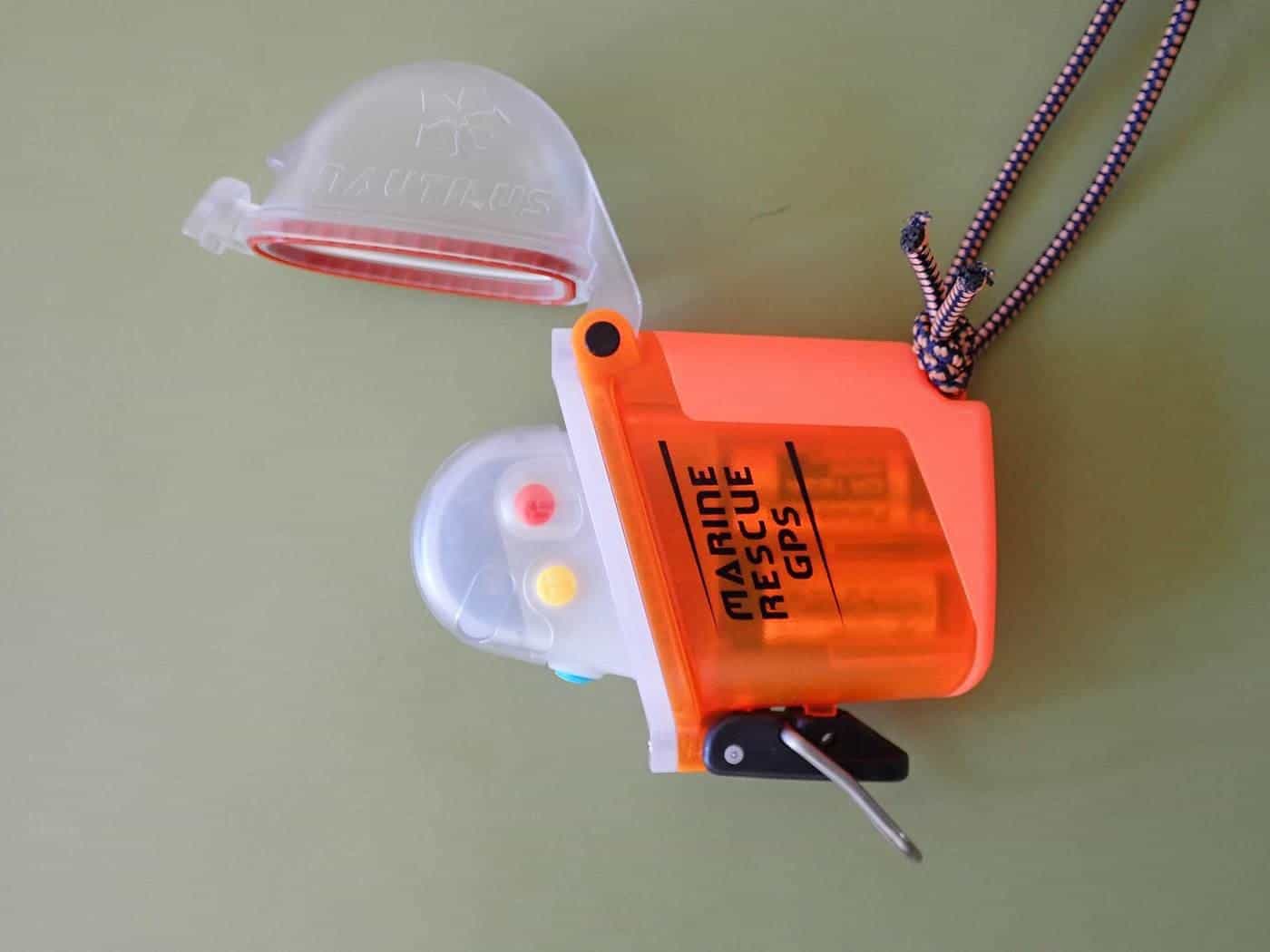
NSW National Parks describes a PLB as an emergency beacon that, when activated, sends a signal via satellite to emergency services, indicating your location and alerting them that you need help. It's a one-way device: it tells rescuers you need help and where you are, but you can't talk through it. That's why it's a last-resort tool rather than a replacement for a phone.
PLBs used in Australia work on the 406 MHz distress beacon system that is also used by maritime and aviation beacons. AMSA, the Australian Maritime Safety Authority, manages beacon registration.
When to carry one
NSW National Parks recommends a PLB as an added safety precaution if you're planning a walk in a remote area, noting that many national parks don't have mobile coverage. They are especially useful on long-distance and multi-day hikes, where you may be far from help for days. If you're heading into rugged, remote or seldom-visited country, carry one.
Free hire in NSW
In NSW, you can hire a PLB for free at 12 locations, including national park visitor centres. When you pick one up, you fill in a trip intention form, and staff can add the PLB's hex number to it. If you're visiting another area, NSW National Parks suggests buying or hiring your own from a quality outdoor supply shop. Check the current list of hire locations on the NSW National Parks website.
Buying a beacon
AMSA notes that beacons are sold through fishing, boating, aviation, bushwalking and camping stores across Australia, and publishes a list of models that comply with Australian standards. AMSA doesn't endorse particular brands.
AMSA also warns that beacons made for the US market transmit a signal that isn't permitted under Australian standards, so these shouldn't be used in Australia, and any 406 MHz beacon registered with AMSA must be coded with an Australian country code. Buy a beacon intended for Australian use.
Registering with AMSA
AMSA says that once you've bought a beacon, you must register it, and registration is free. To register, you'll need the owner's name, address and phone number, an email address, the beacon's hex ID or UIN, the manufacturer and model, and the name and phone numbers of at least one person who can act as a 24-hour emergency contact. AMSA sends a confirmation by SMS or email. Since 4 November 2024, AMSA says beacon registrations no longer expire, but you should keep your contact details up to date.
Registration means rescuers can see who owns the beacon and contact your emergency contacts, which can help them respond faster and plan a search. If you buy a second-hand beacon, register it in your name.
When to activate
NSW National Parks says to use a PLB as a last resort, and to activate it only if you're in danger or injured and can't use your phone to contact emergency services. Once it's activated, stay where you are. Moving makes it harder for rescuers to find you.
Follow the manufacturer's instructions for deploying the antenna and positioning the beacon with a clear view of the sky. Keep it activated until help arrives.
Carrying and caring for a PLB
- Carry it on your body or in an easily reached pocket, not deep in a pack that could be lost.
- Check the battery expiry date and follow the manufacturer's self-test instructions.
- Record its hex ID or UIN on your trip intention form.
- Don't test-activate it outside the manufacturer's self-test procedure.
A PLB isn't a plan
A beacon is a back-up, not a substitute for choosing a suitable walk, carrying the right gear and telling someone your plans. Our safety basics guide covers the rest.
Use our pack list
Our free pack list builds a checklist from the type of walk and the conditions you choose, such as hot weather, cold or alpine areas, remote walks without phone coverage and walking with children. It is based on NSW National Parks' bushwalking safety advice, runs entirely in your browser, and nothing you choose is sent anywhere.
Where our information comes from
Factual statements in our guides are based on official and expert sources, including NSW National Parks and Wildlife Service, the Australian Maritime Safety Authority, healthdirect, the Australian and New Zealand Committee on Resuscitation, St John Ambulance, the Australian Fire Danger Rating System, the NSW Rural Fire Service, the Bureau of Meteorology, Leave No Trace Australia and Parks and Wildlife Service Tasmania. We link to each source at the end of the page and write everything in our own words.
Conditions change
Tracks close for fire, flood, storm damage, maintenance and pest control, and conditions can change quickly. Safety advice and park rules are also updated from time to time, and they differ between states and parks. Treat our guides as a starting point, and always check current park alerts, the weather forecast and the fire danger rating with the managing agency before you go.
Other states and territories
Our examples often draw on NSW National Parks advice, because it is detailed and clearly written, but every state and territory has its own parks agency, rules and safety information. Before walking in another state, check that agency's website for park alerts, bookings, fire and camping rules, and any trip registration options.
Learn first aid and navigation
Two skills make the biggest difference for regular walkers: first aid and navigation. A recognised first aid course teaches you how to manage injuries, snakebite and medical emergencies until help arrives. Navigation skills, including reading a topographic map and using a compass, help you stay on route when signs are missing or your phone fails. Walking clubs often run navigation training.
Walking clubs
Bushwalking clubs are a great way to build experience. Club walks are usually graded, led by experienced members and planned with safety in mind, and many clubs run training in navigation, first aid and multi-day walking. They are also a good way to discover new walks and meet people who share your interest.
A quick checklist
If you remember only a few things from our guides, make them these: choose a walk that suits the slowest person; check the weather, park alerts and fire danger; carry water, food, layers, a map, a torch and a first aid kit; tell someone your plans; carry a PLB for remote walks; and turn back when conditions change. In an emergency, call Triple Zero (000).
Respect Country
Every walk in Australia is on the Country of Aboriginal and Torres Strait Islander peoples, many of whom continue to care for these places. Learn about the Traditional Owners of the areas you visit, respect any requests about culturally significant sites, and leave cultural places undisturbed.
Corrections and feedback
We review our guides against their sources and show the date each page was last checked. If you notice something out of date or incorrect, please tell us through our contact page. We read every message and correct mistakes promptly.
Key points
- A PLB sends a distress signal and your location via satellite to emergency services.
- Carry one for remote walks; NSW offers free hire at 12 locations.
- Register your beacon with AMSA; it's free and required.
- Don't use US-market beacons in Australia.
- Activate it only as a last resort, then stay where you are.
Frequently asked questions
What is a PLB?
A personal locator beacon sends a distress signal via satellite to emergency services, showing your location and that you need help.
Can I hire a PLB for free?
In NSW, PLBs can be hired free from 12 locations, including national park visitor centres. You fill in a trip intention form when you collect one.
Do I have to register my PLB?
AMSA says you must register your beacon once purchased. Registration is free and is done online with AMSA.
When should I activate a PLB?
Only as a last resort, if you are in danger or injured and can't contact emergency services by phone. Then stay where you are.
Sources and further reading
Facts on this page were checked against these primary and official sources. Conditions change — confirm before you travel or buy.
- Personal Locator Beacons and GPS — NSW National Parks and Wildlife Service
- Registration information — Australian Maritime Safety Authority (AMSA)
- Buying a beacon — Australian Maritime Safety Authority (AMSA)
- Think Before You TREK — NSW National Parks and Wildlife Service