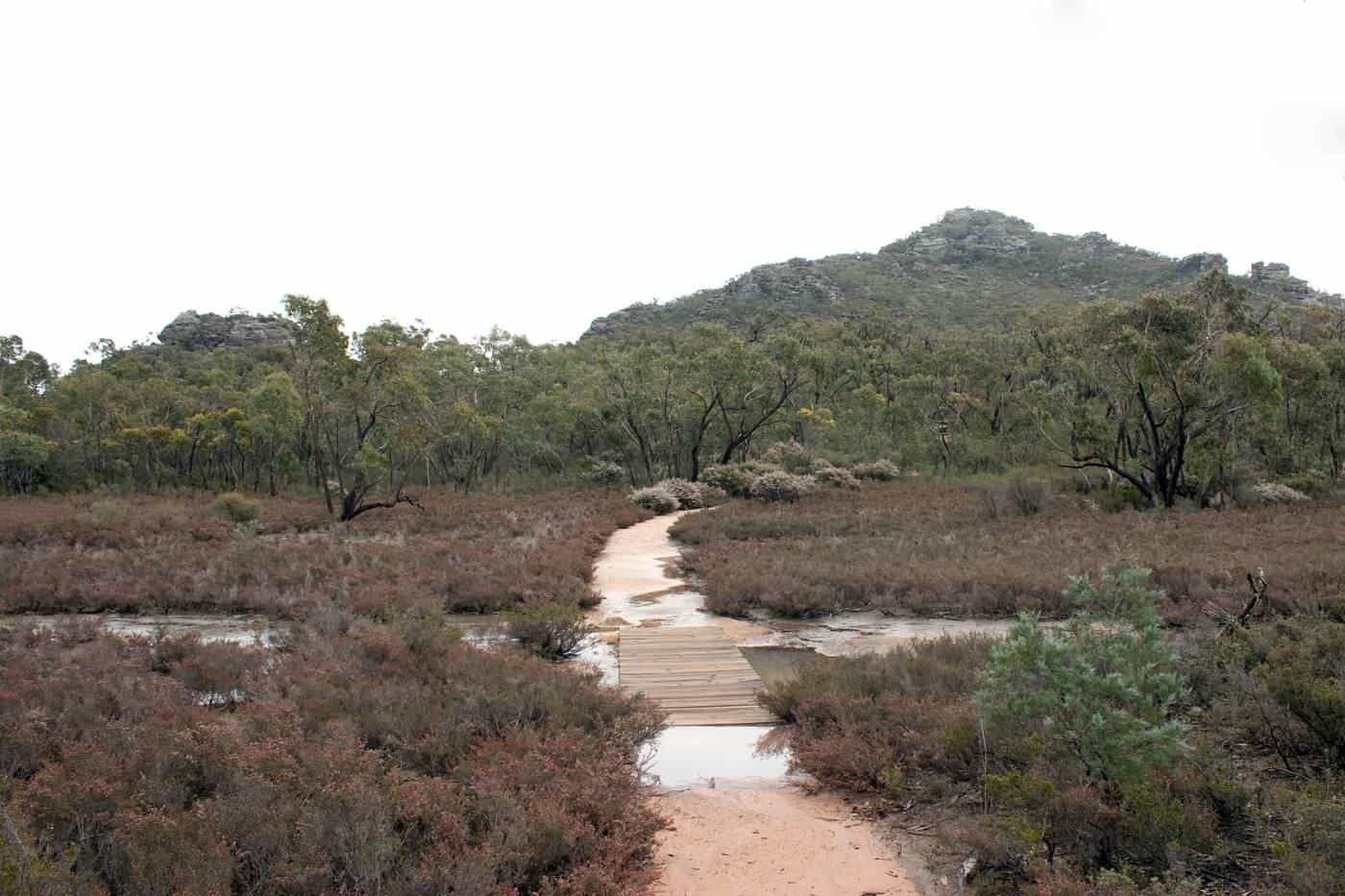
Good walks start at home, with a realistic choice of track, a well-packed bag and clothing that suits the conditions. These guides cover the planning side of bushwalking, from reading track grades to getting children out on the trail.
Guides in this section
- Choosing a walk: track grades explained How the Australian grades work and how to read walk descriptions.
- What to pack for a day hike A practical checklist based on parks safety advice.
- Hiking footwear and clothing Shoes, socks, layers and sun protection.
- Hiking with kids Choosing family walks, packing and safety rules.
Choose for your group
NSW National Parks advises going at the pace of the slowest person, not overestimating your abilities and making sure everyone is comfortable with the route. Start with the people, not the view.
Track grades in brief
The Australian Walking Track Grading System, used by many parks agencies, runs from Grade 1 to Grade 5. Grades 1 and 2 need no bushwalking experience; Grade 3 recommends some experience and may include short steep hills and many steps; Grade 4 recommends experience and may be long, rough and very steep; and Grade 5 is for very experienced walkers with navigation and first aid skills.
The essentials to carry
NSW National Parks lists at least 2 litres of water per person, waterproof and windproof clothing, plenty of food, a hat and sunscreen, a topographic map and compass, matches and a torch, a first aid kit, insect repellent, a phone with the Emergency Plus app, and a PLB for remote walks.
Dress for the conditions
Wear comfortable, protective shoes, lightweight layers and bright colours so you can be seen, and carry a waterproof, windproof jacket even on fine mornings. Australian weather, especially in the mountains, can change quickly.
Plan the timing
Estimate time generously, allowing for breaks, heat and the slowest walker, and set a turnaround time so you finish well before dark. In summer, start at first light.
Family walks
Children do best on short, interesting tracks with a clear way back. Keep young children within reach near cliffs and water, give each a whistle and agree simple safety rules.
Where to go next
Once your walk is planned, our safety guides cover trip intentions, beacons, snakebite and fire danger, and our on the trail guides cover coastal, waterfall and multi-day walks and Leave No Trace.
Five things worth knowing
- Choose a walk for the slowest person, using the Australian track grades as a guide.
- Carry at least 2 litres of water per person, plus layers, a map, a torch and a first aid kit.
- Tell someone your plan; in NSW, a trip intention form doesn't trigger a rescue by itself.
- Carry a registered PLB on remote walks, and use it only as a last resort.
- Check park alerts, the weather and the fire danger rating before you go.
Reading official walk pages
Parks agencies publish walk pages with a distance, an estimated time, a grade and notes on the terrain and facilities. Check whether the distance is one-way or return, how many steps and how much climbing are involved, whether there are creek crossings, and whether toilets, drinking water and phone coverage are available. NSW National Parks notes that walking tracks are not always signposted or maintained, so a map matters even on popular routes.
Common planning mistakes
The most common mistakes are choosing a walk that's too long or steep for someone in the group, starting too late in the day, carrying too little water, leaving the jacket in the car, relying on a phone for navigation in an area without coverage, and not telling anyone the plan. Each is easy to avoid with a few minutes of planning at home, and our guides explain how.
Building experience
Start with short, easy walks and build up gradually. Each walk teaches you something: how much water you drink, how your shoes feel after a few hours, how your group handles hills. Walking clubs offer graded walks with experienced leaders and are a good next step.
About these guides
Hiking Australia is an independent information site about planning safe, low-impact bushwalks. We aren't a parks agency, emergency service, tour operator, outdoor retailer or walking club, and we don't rank gear, brands or operators. Our guides are general information written in our own words, with official sources listed on every page. They're not a substitute for first aid training, local knowledge or current park alerts.
How we keep these guides current
We review each guide against its sources and show the date it was last checked. Parks agencies update alerts, rules and safety advice regularly, and fire danger changes daily in the warmer months. If you notice something out of date, please tell us through our contact page, and we'll check and correct it.
Questions we hear often
Walkers often ask how much water to carry, whether they need a beacon, what track grades mean, and whether to walk on hot days. In short: at least 2 litres per person and more in heat; a PLB for remote walks; grades run from 1 (no experience needed) to 5 (very experienced walkers); and on Extreme or Catastrophic fire danger days, stay out of the bush. Our guides explain each answer in detail, with links to the official sources behind them.
Try the pack list
Our free pack list builds a checklist from the type of walk and the conditions you choose. It runs entirely in your browser, and nothing you choose is sent anywhere.
Guides in this section
Planning
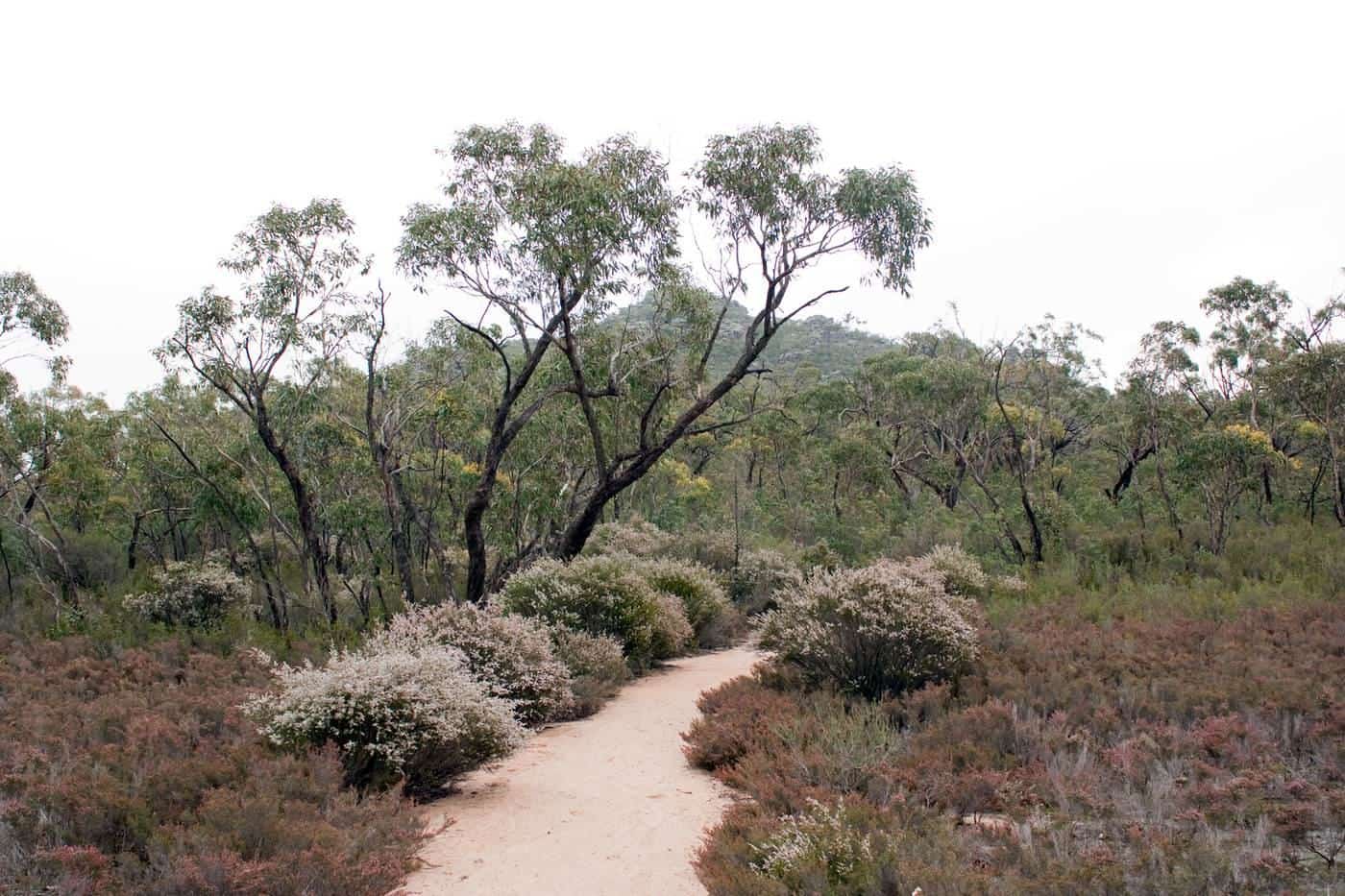
Choosing a walk: track grades explained
How to choose a bushwalk that suits your group, using the Australian Walking Track Grading System, distance, terrain, weather and time of year.
Read · 6 min
Planning
What to pack for a day hike
A practical day hike packing list for Australian conditions: water, food, layers, navigation, first aid and emergency gear.
Read · 6 min
Planning
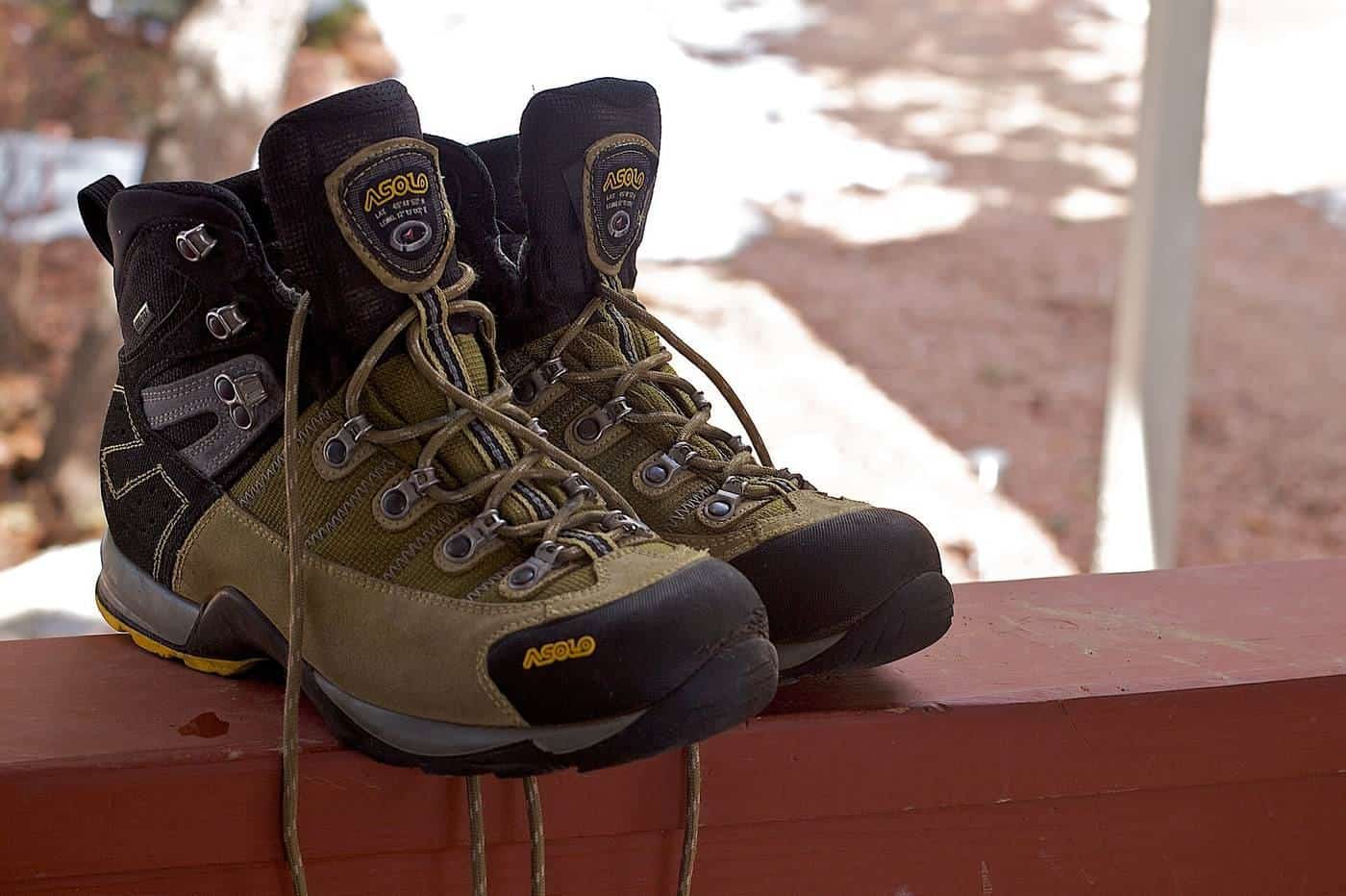
Hiking footwear and clothing
How to choose shoes, socks and clothing for Australian bushwalks: protective footwear, layers, sun protection, rain gear and avoiding blisters.
Read · 6 min
Planning
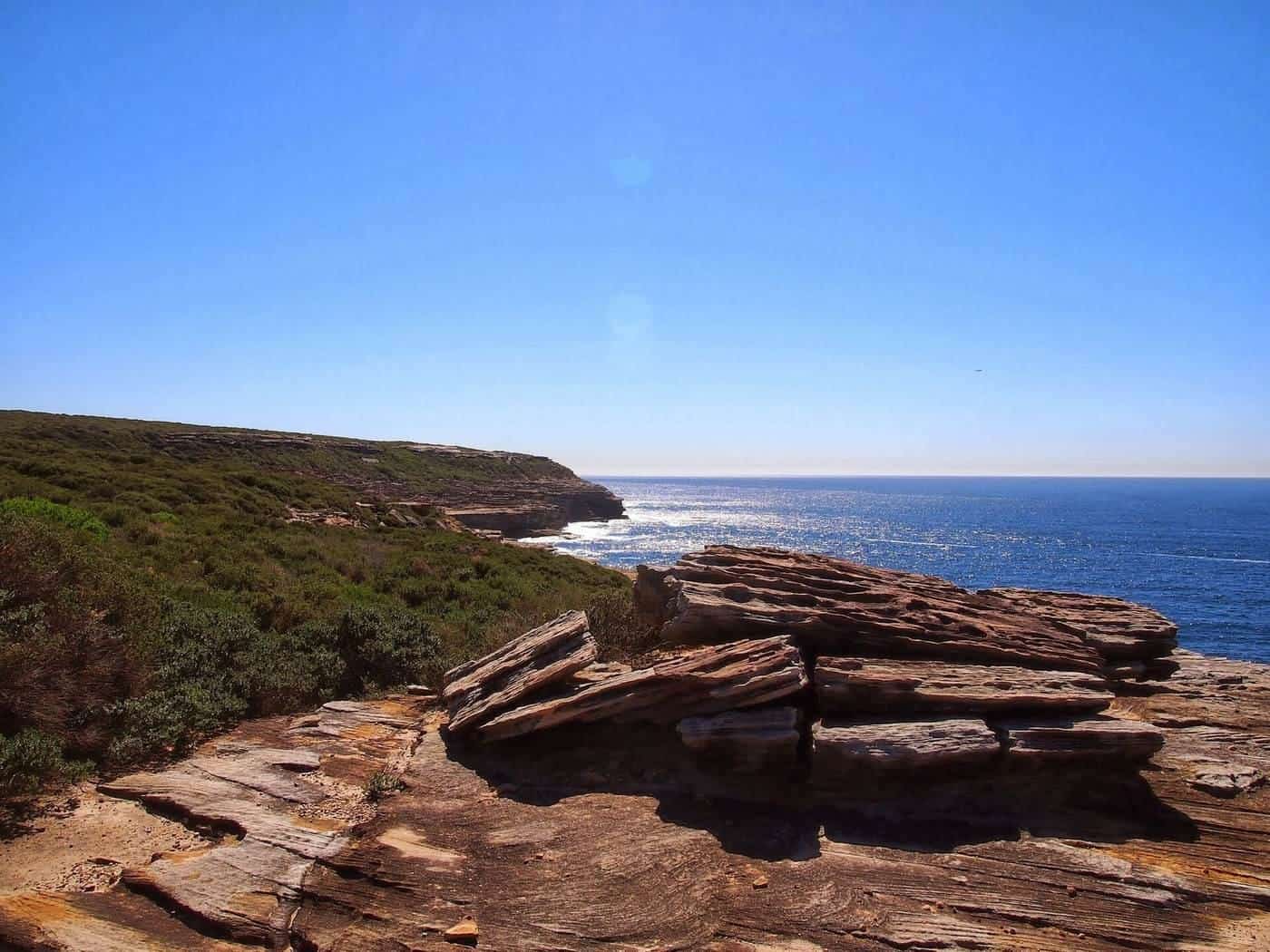
Hiking with kids
How to plan family bushwalks: choosing short, easy tracks, packing for children, keeping kids safe near cliffs and water, and making walks fun.
Read · 6 min
Frequently asked questions
How do I choose a bushwalk?
Choose for the slowest, least experienced person in your group, and check the grade, distance, terrain, weather and park alerts.
What do track grades mean?
The Australian Walking Track Grading System runs from Grade 1, needing no experience, to Grade 5, for very experienced walkers.
How much water should I carry?
NSW National Parks recommends at least 2 litres per person, and more in heat.
What shoes should I wear?
Comfortable, protective shoes with good grip. NSW National Parks advises against thongs and high heels.
Sources and further reading
Facts on this page were checked against these primary and official sources. Conditions change — confirm before you travel or buy.
- Australian Walking Track Grading System — NSW National Parks and Wildlife Service
- Bushwalking safety — NSW National Parks and Wildlife Service
- Think Before You TREK — NSW National Parks and Wildlife Service