Most bushwalks go to plan, but the walks that don't are where preparation counts. These guides cover the core of bushwalk safety: telling someone your plans, carrying and registering a beacon, knowing snakebite first aid and understanding heat and fire danger.
Guides in this section
- Bushwalk safety basics Planning, groups, trip intention forms and what to do if lost.
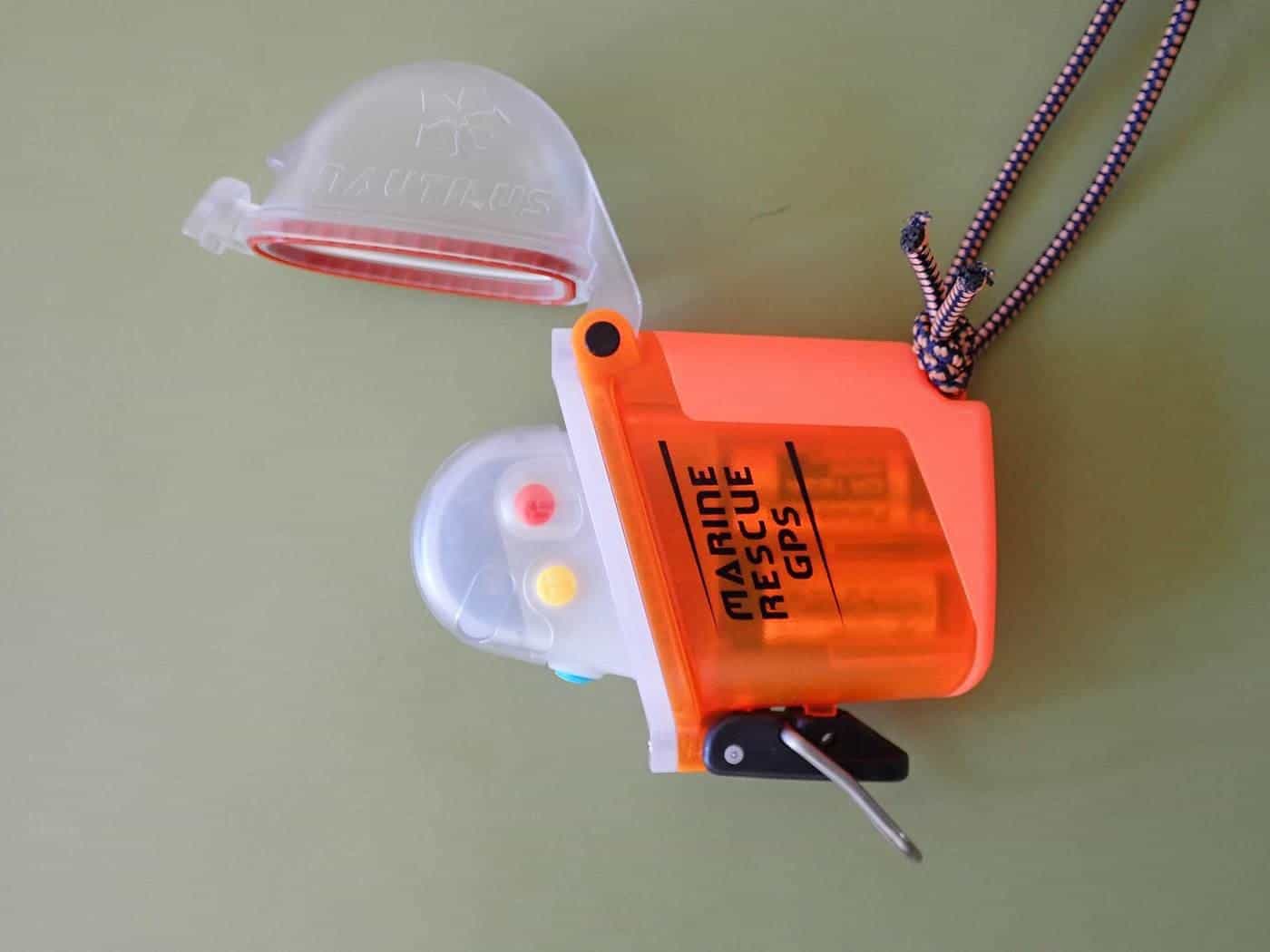
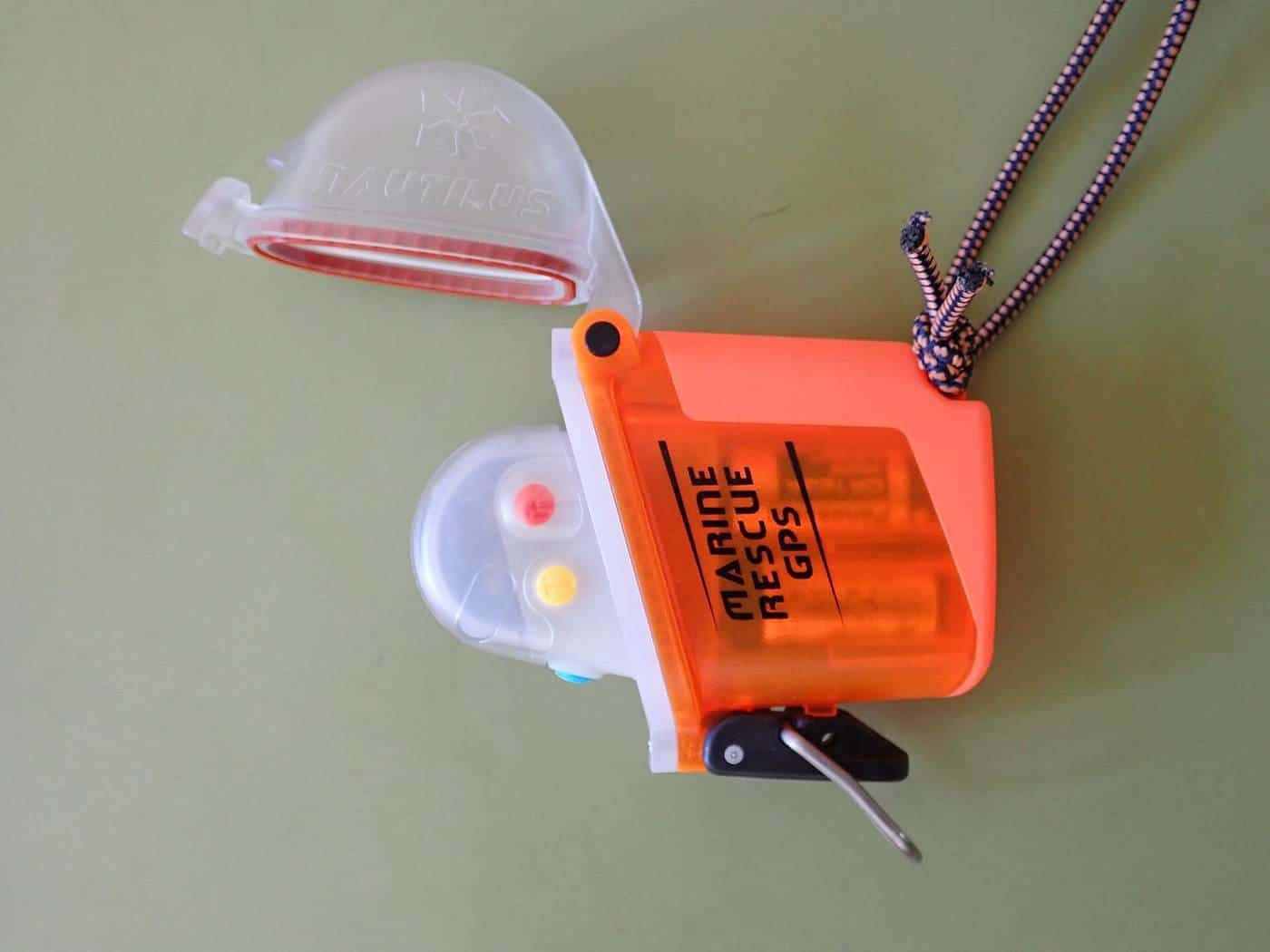
- Personal locator beacons How PLBs work, free hire in NSW, AMSA registration and when to activate.
- Snakebite first aid for bushwalkers What healthdirect and ANZCOR advise.
- Heat and fire danger for walkers Fire danger ratings and walking in hot weather.
Tell someone
Tell a trusted friend or family member where you're going, your route and when you'll be back. In NSW, the online trip intention form records your plans and emails a summary to your contacts, but NSW National Parks says it doesn't trigger an automatic rescue: your contact must call NSW Police if you're overdue.
Beacons
A personal locator beacon sends a distress signal and your location via satellite. NSW National Parks recommends one for remote walks and offers free hire at 12 locations. AMSA says you must register a beacon you buy, and registration is free. Use it only as a last resort, then stay where you are.
Snakebite
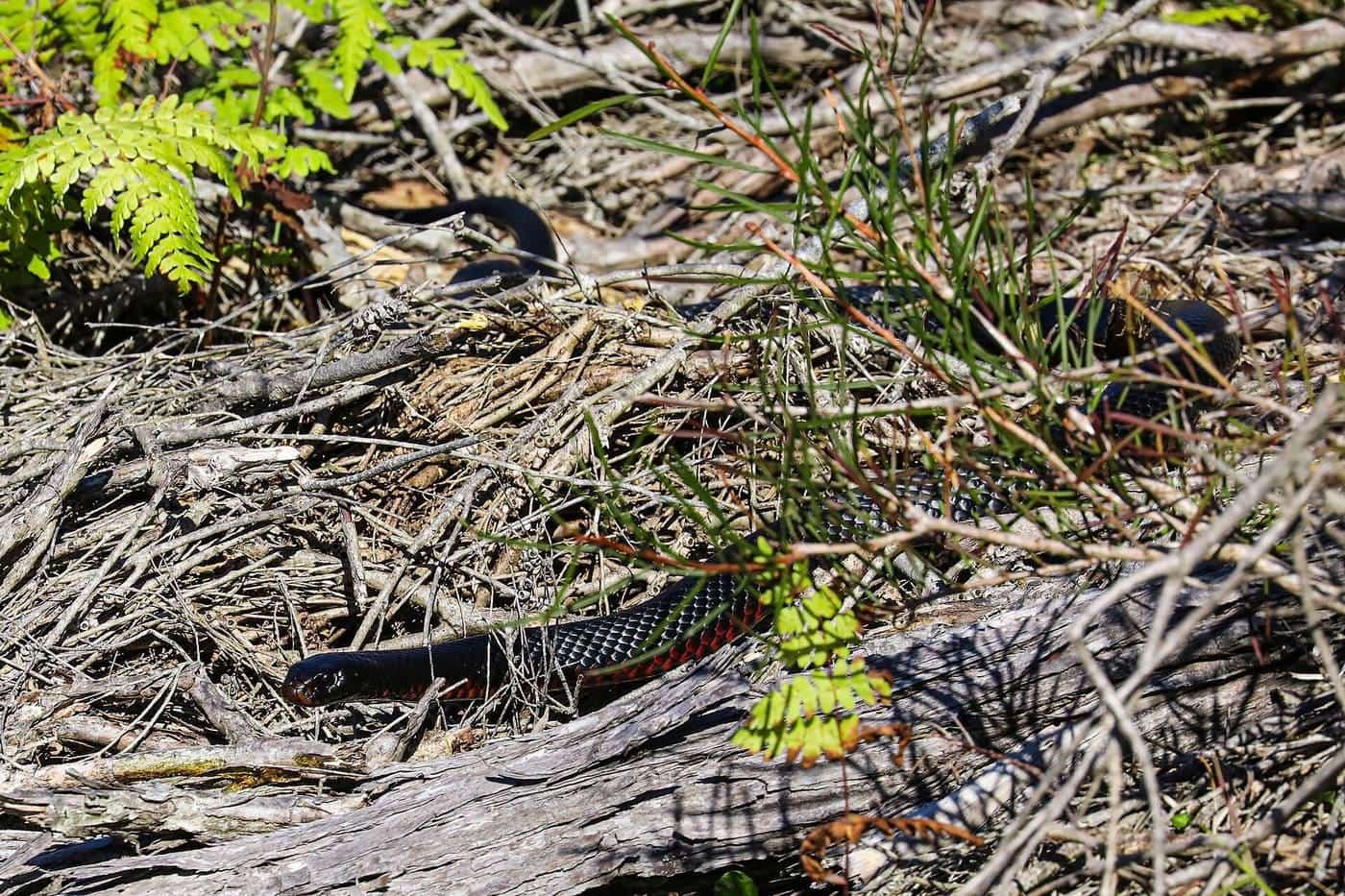
healthdirect says all snakebites must be treated as potentially life-threatening. Call 000, keep the person still and apply a pressure immobilisation bandage. ANZCOR advises against cutting, washing or sucking the bite, or using a tourniquet.
Fire danger and heat
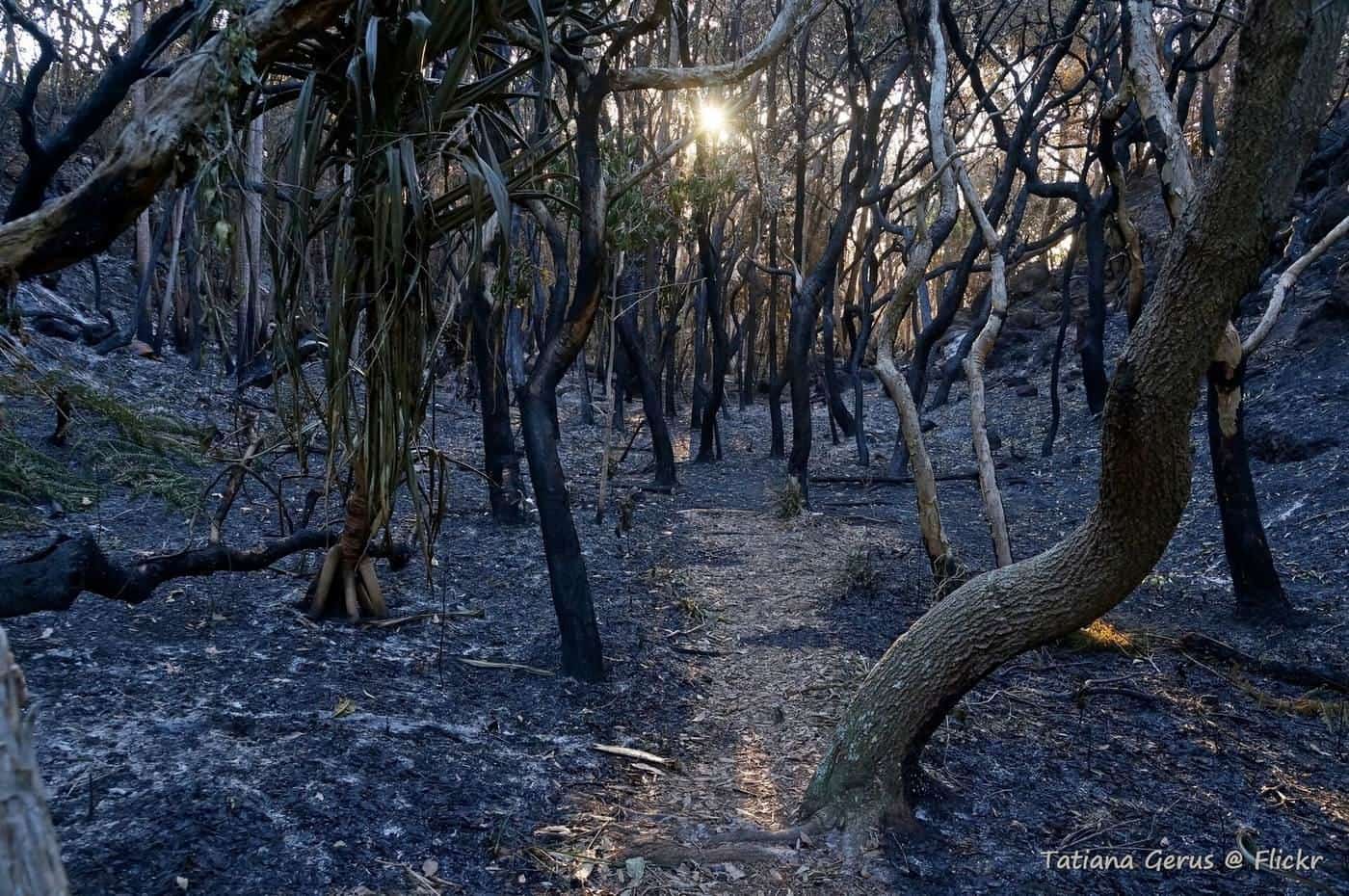
The Australian Fire Danger Rating System has four levels: Moderate, High, Extreme and Catastrophic. Fire agencies advise reconsidering travel through bushfire risk areas on Extreme days and leaving them on Catastrophic days. In heat, start early, choose shade and carry much more water.
Walk in a group
NSW National Parks recommends groups of three or more, so one person can stay with an injured walker while another gets help.
If you're lost
Stop, stay calm and stay where you are if it's safe. Try to call 000 and share your location with the Emergency Plus app. If you're in danger and can't call, activate your PLB.
Learn first aid
A recognised first aid course is one of the most useful things a regular walker can do, covering bandaging, CPR and managing injuries until help arrives.
Five things worth knowing
- Choose a walk for the slowest person, using the Australian track grades as a guide.
- Carry at least 2 litres of water per person, plus layers, a map, a torch and a first aid kit.
- Tell someone your plan; in NSW, a trip intention form doesn't trigger a rescue by itself.
- Carry a registered PLB on remote walks, and use it only as a last resort.
- Check park alerts, the weather and the fire danger rating before you go.
Before you leave home
Check park alerts and closures, the weather forecast and the fire danger rating for the district. Charge your phone, download maps and install the Emergency Plus app. Pack elastic roller bandages in your first aid kit. Lodge your plans with a trusted contact, including your expected return time, and agree what they should do if you're overdue.
On the walk
Stick to your planned route, keep the group together, and watch the time against your turnaround point. Keep an eye on the weather and on how everyone in the group is coping. If anything changes, such as rising creeks, smoke, a storm or someone becoming unwell, change your plans early rather than late.
Common safety mistakes
Common mistakes include walking alone without telling anyone, carrying too little water on hot days, relying on mobile coverage, leaving a beacon unregistered, not carrying bandages, and pressing on when conditions change. Most bushwalking emergencies can be prevented or made far less serious by avoiding these.
About these guides
Hiking Australia is an independent information site about planning safe, low-impact bushwalks. We aren't a parks agency, emergency service, tour operator, outdoor retailer or walking club, and we don't rank gear, brands or operators. Our guides are general information written in our own words, with official sources listed on every page. They're not a substitute for first aid training, local knowledge or current park alerts.
How we keep these guides current
We review each guide against its sources and show the date it was last checked. Parks agencies update alerts, rules and safety advice regularly, and fire danger changes daily in the warmer months. If you notice something out of date, please tell us through our contact page, and we'll check and correct it.
Questions we hear often
Walkers often ask how much water to carry, whether they need a beacon, what track grades mean, and whether to walk on hot days. In short: at least 2 litres per person and more in heat; a PLB for remote walks; grades run from 1 (no experience needed) to 5 (very experienced walkers); and on Extreme or Catastrophic fire danger days, stay out of the bush. Our guides explain each answer in detail, with links to the official sources behind them.
Try the pack list
Our free pack list builds a checklist from the type of walk and the conditions you choose. It runs entirely in your browser, and nothing you choose is sent anywhere.
Guides in this section
Safety
Bushwalk safety basics
The essentials of bushwalking safety from parks advice: planning, walking in groups, trip intention forms, what to carry and what to do if lost.
Read · 6 min
Safety
Personal locator beacons
What a personal locator beacon does, when to carry one, free PLB hire in NSW, registering with AMSA and when to activate it.
Read · 6 min
Safety
Snakebite first aid for bushwalkers
Snakebite first aid for walkers, from healthdirect and ANZCOR guidance: call 000, keep still, pressure immobilisation bandage and what not to do.
Read · 6 min
Safety
Heat and fire danger for walkers
How heat and bushfire danger affect bushwalks: fire danger ratings explained, park closures, walking in hot weather and when to stay home.
Read · 6 min
Frequently asked questions
What is Think Before You TREK?
A NSW National Parks and NSW Police safety initiative: take supplies, register your trip, know your route and carry a PLB for remote walks.
Do I need a PLB?
Parks agencies recommend one for remote walks. In NSW, PLBs can be hired free from 12 locations.
What is the first aid for snakebite?
Call 000, keep the person still and apply a pressure immobilisation bandage, as healthdirect describes.
Should I walk on a Catastrophic fire danger day?
No. Fire agencies say to leave bushfire risk areas on Catastrophic days.
Sources and further reading
Facts on this page were checked against these primary and official sources. Conditions change — confirm before you travel or buy.
- Bushwalking safety — NSW National Parks and Wildlife Service
- Think Before You TREK — NSW National Parks and Wildlife Service
- Personal Locator Beacons and GPS — NSW National Parks and Wildlife Service
- Registration information — Australian Maritime Safety Authority (AMSA)
- Snake bites: first aid, treatment and symptoms — healthdirect
- Australian Fire Danger Rating System — Australian Fire Danger Rating System