Australia has thousands of kilometres of walking tracks, from short strolls to lookouts to remote multi-day routes. This site brings together independent, plain-language guides to planning safe, enjoyable and low-impact bushwalks, with official sources on every page and a free pack list to help you prepare.
Explore the guides
- Planning Choosing a walk and track grades, what to pack, footwear and clothing, and hiking with kids.
- Safety Trip intentions, personal locator beacons, snakebite first aid, and heat and fire danger.
- On the trail Coastal walks, waterfall safety, multi-day hikes and Leave No Trace.
Popular guides
- Choosing a walk: track grades explained
- What to pack for a day hike
- Bushwalk safety basics
- Personal locator beacons
- Snakebite first aid for bushwalkers
Choose the right walk
The Australian Walking Track Grading System, used by many parks agencies, runs from Grade 1, suitable for people with no bushwalking experience, to Grade 5, for very experienced walkers with navigation and first aid skills. NSW National Parks advises going at the pace of the slowest person and not overestimating your abilities. Check whether distances are one-way or return, and look at the steps, terrain and water crossings.
Carry the essentials
NSW National Parks' Think Before You TREK advice lists at least 2 litres of water per person, waterproof and windproof clothing, plenty of food, a hat and sunscreen, a topographic map and compass, matches and a torch, a first aid kit, insect repellent, a phone with the Emergency Plus app, and a personal locator beacon for remote walks.
Tell someone your plans
Tell a trusted friend or family member where you're going and when you'll be back. In NSW, you can lodge an online trip intention form, but NSW National Parks says it doesn't trigger an automatic search: your emergency contact must call NSW Police if you don't return on time.
Beacons and first aid
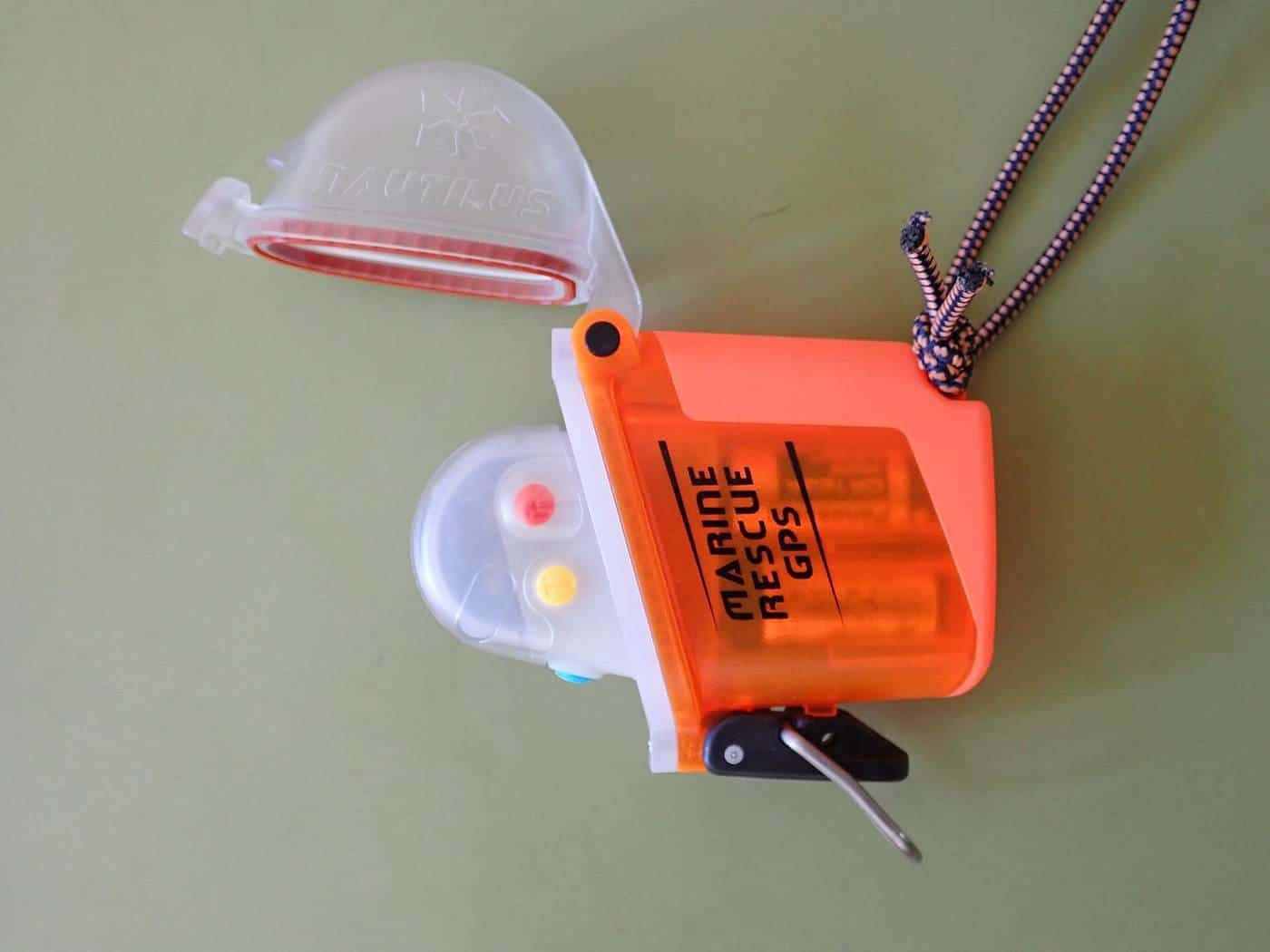
A personal locator beacon sends a distress signal and your location via satellite. AMSA says beacons you buy must be registered, and registration is free. For snakebite, healthdirect says to call 000, keep the person still and apply a pressure immobilisation bandage, which is why elastic roller bandages belong in every first aid kit.
Heat and fire
The Australian Fire Danger Rating System has four levels: Moderate, High, Extreme and Catastrophic. Fire agencies advise reconsidering travel through bushfire risk areas on Extreme days and leaving them on Catastrophic days. On hot days, start early, choose shade and carry much more water.
Leave No Trace
Leave No Trace Australia's seven principles help protect the places we walk: plan ahead and prepare; travel and camp on durable surfaces; dispose of waste properly; leave what you find; minimise campfire impacts; respect wildlife; and be considerate of your hosts and other visitors.
Common mistakes to avoid
Many bushwalking rescues start with the same few mistakes: choosing a walk that's too hard for someone in the group, starting too late, carrying too little water, relying on a phone in an area without coverage, not carrying a torch, and not telling anyone the plan. Each is easy to avoid, and our guides explain how.
Walking through the seasons
Summer brings heat and bushfire risk, so choose short, shady walks early in the day and check the fire danger rating. Autumn and spring are often ideal for longer and exposed walks. Winter can bring cold, wet and windy weather, especially in the mountains and Tasmania, so pack warm layers and allow for shorter daylight hours.
Who these guides are for
Our guides are written for anyone planning walks in Australia, from first-timers and families to walkers preparing for their first multi-day hike. They focus on the decisions you make before and during a walk, and always point you to the official source for park-specific rules and current conditions.
Try the pack list
Our free pack list builds a checklist from the type of walk and the conditions you choose. It runs entirely in your browser, and nothing you choose is sent anywhere.
In an emergency
Call Triple Zero (000). healthdirect notes that if 000 doesn't work on your mobile, you can try 112. If you're in danger in a remote area without coverage, activate your personal locator beacon and stay where you are.
About this site
This web address was once home to a personal bushwalking blog, which later closed. Hiking Australia is a new, independent site with original content and no connection to that blog or any previous operator. We aren't a parks agency, emergency service, tour operator, outdoor retailer or walking club, and we don't rank gear, brands or operators. We never invent statistics, track times, prices, quotes or reviews, and our guides are general information, not first aid training or professional advice.
How we work
Every guide is written in our own words from official sources, including parks agencies, AMSA, healthdirect, ANZCOR, fire agencies, the Bureau of Meteorology and Leave No Trace Australia. We link to those sources at the end of each page and review guides regularly. Read our editorial policy for details, or contact us with corrections.
Respect Country
Every walk in Australia is on the Country of Aboriginal and Torres Strait Islander peoples. Learn about the Traditional Owners of the places you visit, and leave cultural sites undisturbed.