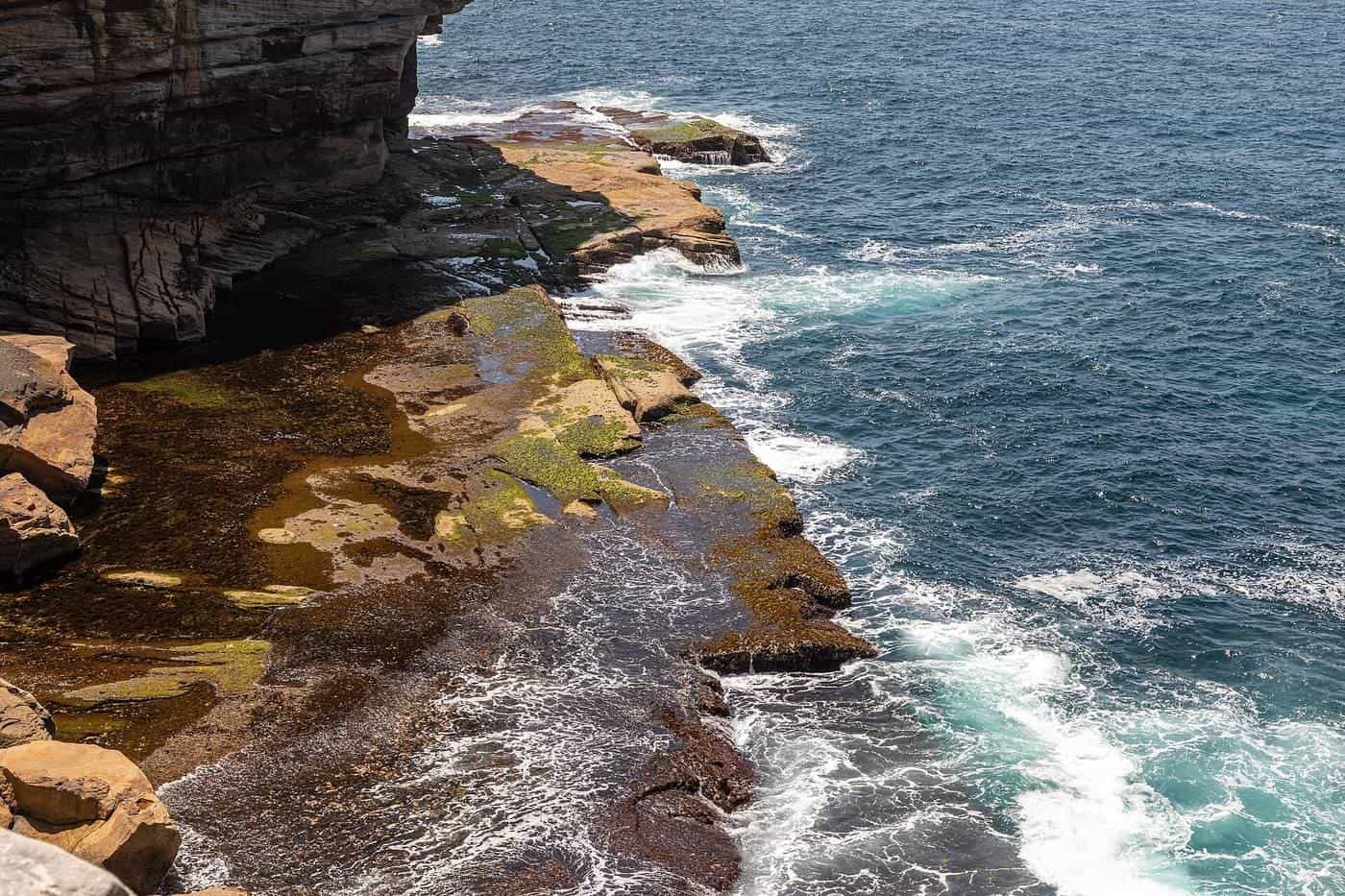
Different kinds of walks bring different hazards and rewards. These guides cover some of the most popular types of walking in Australia, coastal tracks, waterfall walks and multi-day hikes, along with the Leave No Trace principles that help protect the places we walk.
Guides in this section
- Coastal walks: what to know Cliffs, rock platforms, tides, sun and logistics.
- Waterfall walks: staying safe Slippery rocks, swimming holes and rising water.
- Planning a multi-day hike Building up, bookings, gear, food, water and safety.
- Leave No Trace for bushwalkers The seven principles in practice.
Coastal walks
Coastal tracks often include steep climbs, steps, sand and long exposed stretches. Stay behind barriers and well back from cliff edges, check swell and tides before crossing rock platforms and beaches, and never turn your back on the sea. Carry plenty of water and sun protection.
Waterfalls
Rocks near falls are often very slippery, the tops of falls can be unfenced cliff edges, and pools can be deep, cold and hide rocks. Stay on tracks, never jump or dive, and stay out of the water after heavy rain. Allow time and water for the climb back out of the gorge.
Multi-day hikes
Build up with long day walks and a short overnight trip, choose a well-marked route, and check bookings, permits and water. Carry a fuel stove, as many parks ban campfires, a spare day's food, a paper map and compass, and a registered PLB. Lodge a detailed trip plan with a trusted contact.
Leave No Trace
Leave No Trace Australia's seven principles are: plan ahead and prepare; travel and camp on durable surfaces; dispose of waste properly; leave what you find; minimise campfire impacts; respect wildlife; and be considerate of your hosts and other visitors.
Respect Country
Every walk in Australia is on the Country of Aboriginal and Torres Strait Islander peoples. Learn about the Traditional Owners of the places you visit, and leave cultural sites undisturbed.
Before any walk
Check park alerts, the weather and the fire danger rating, tell someone your plans and carry the essentials. Our planning guides and safety guides cover the details.
Five things worth knowing
- Choose a walk for the slowest person, using the Australian track grades as a guide.
- Carry at least 2 litres of water per person, plus layers, a map, a torch and a first aid kit.
- Tell someone your plan; in NSW, a trip intention form doesn't trigger a rescue by itself.
- Carry a registered PLB on remote walks, and use it only as a last resort.
- Check park alerts, the weather and the fire danger rating before you go.
Matching the walk to the season
Exposed coastal and inland walks are often best in the cooler months, while shady rainforest and waterfall walks can be good choices on warmer days, early in the morning. Alpine walks are generally best in the warmer months, but weather can still turn cold and wet quickly. Check the forecast, park alerts and fire danger whenever you walk.
Sharing the track
Popular tracks can be busy. Walk in single file on narrow sections, give way where it's safe to step aside, keep noise down and keep to the track rather than trampling vegetation. On shared trails, follow the signage about cyclists and horses. Being considerate of other visitors is one of the Leave No Trace principles.
Common mistakes
On coastal walks, people underestimate exposure and swell; at waterfalls, they step off tracks for photos and underestimate slippery rock; and on multi-day walks, they carry too much weight and too little water. Each of our guides explains how to avoid these.
Getting there and back
Many walks start from small car parks that fill early on weekends, and some are best done one-way with a car shuttle or public transport. Plan transport at both ends before you start, allow time to get back before dark, and check whether access roads are open, especially after storms or during fire season.
About these guides
Hiking Australia is an independent information site about planning safe, low-impact bushwalks. We aren't a parks agency, emergency service, tour operator, outdoor retailer or walking club, and we don't rank gear, brands or operators. Our guides are general information written in our own words, with official sources listed on every page. They're not a substitute for first aid training, local knowledge or current park alerts.
How we keep these guides current
We review each guide against its sources and show the date it was last checked. Parks agencies update alerts, rules and safety advice regularly, and fire danger changes daily in the warmer months. If you notice something out of date, please tell us through our contact page, and we'll check and correct it.
Questions we hear often
Walkers often ask how much water to carry, whether they need a beacon, what track grades mean, and whether to walk on hot days. In short: at least 2 litres per person and more in heat; a PLB for remote walks; grades run from 1 (no experience needed) to 5 (very experienced walkers); and on Extreme or Catastrophic fire danger days, stay out of the bush. Our guides explain each answer in detail, with links to the official sources behind them.
Try the pack list
Our free pack list builds a checklist from the type of walk and the conditions you choose. It runs entirely in your browser, and nothing you choose is sent anywhere.
Guides in this section
On the trail
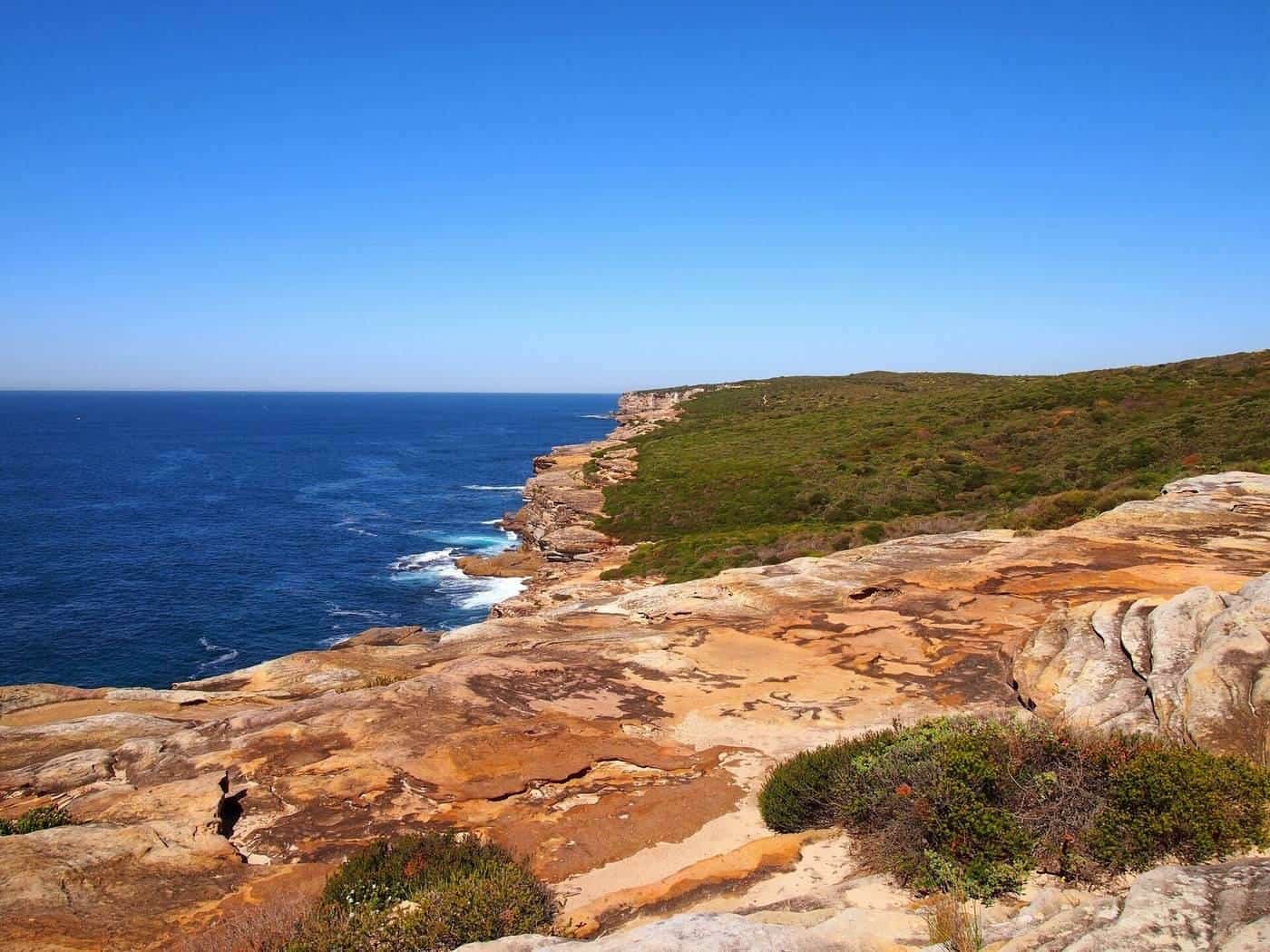
Coastal walks: what to know
Planning coastal walks in Australia: cliff edges, rock platforms, tides and swell, beach crossings, sun exposure and wildlife on the coast.
Read · 6 min
On the trail
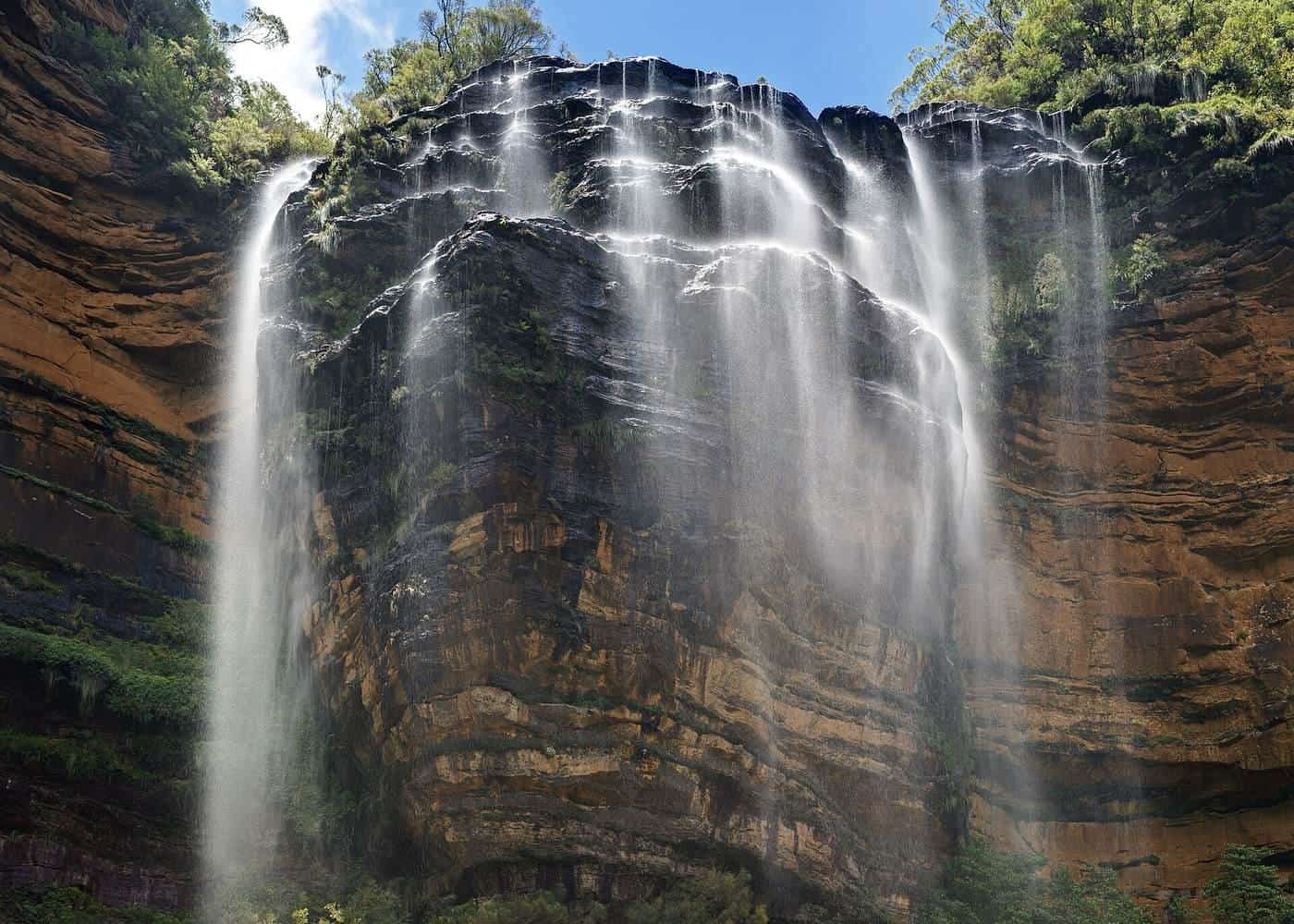
Waterfall walks: staying safe
How to enjoy waterfall walks safely: slippery rocks, cliff tops, swimming holes, flash flooding after rain and the steps back up.
Read · 6 min
On the trail
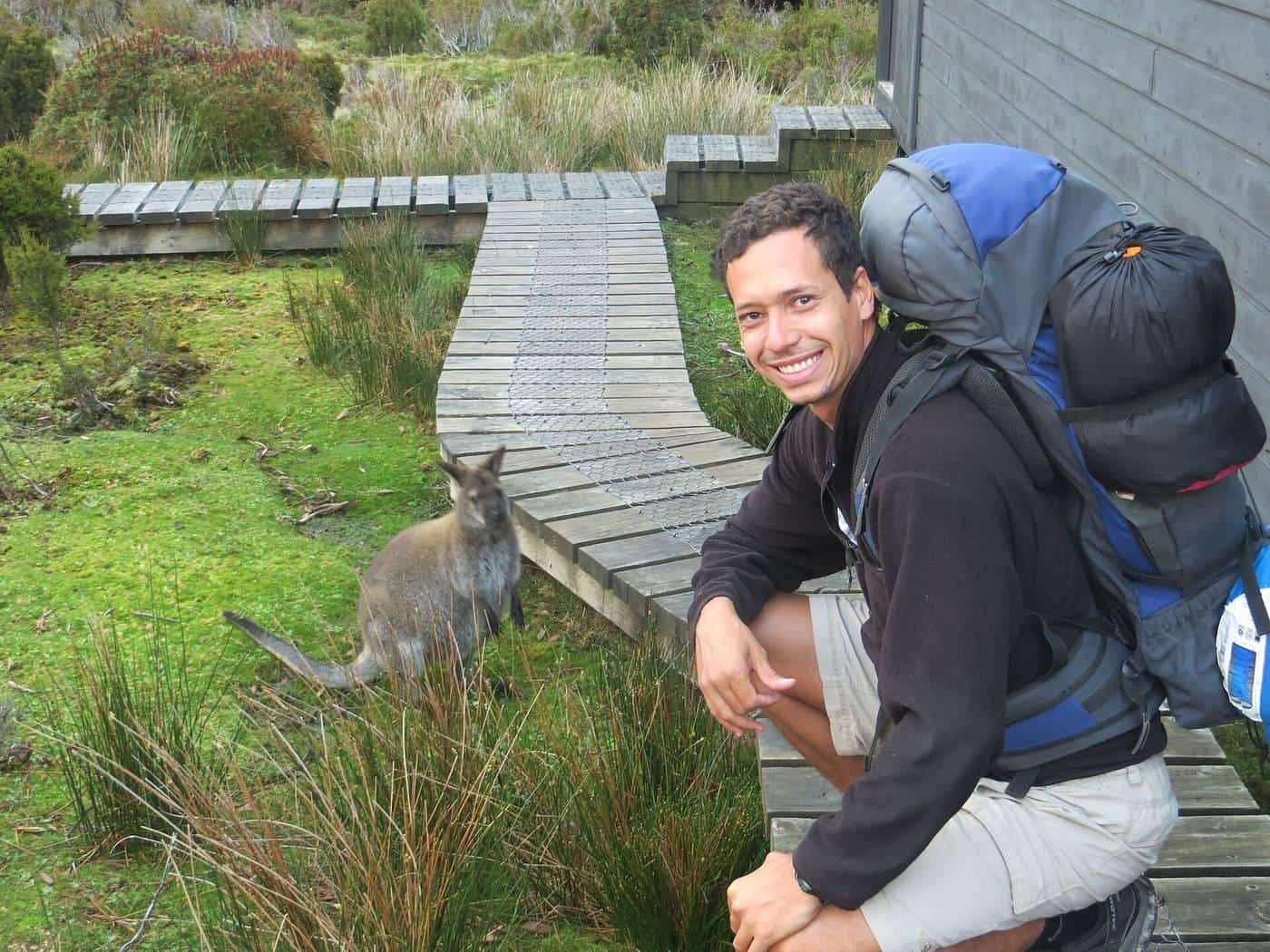
Planning a multi-day hike
How to plan a first multi-day hike: choosing a route, bookings and permits, gear and food, water, campsites, safety and building experience.
Read · 6 min
On the trail
Leave No Trace for bushwalkers
The seven Leave No Trace principles explained for Australian bushwalkers, with practical ways to reduce your impact on tracks and campsites.
Read · 6 min
Frequently asked questions
Are rock platforms dangerous?
They can be. Waves can wash over them unexpectedly. Stay well back from the edge and never turn your back on the sea.
Can I swim at waterfalls?
Only where allowed and safe. Never jump or dive, and stay out of the water after heavy rain.
How do I start multi-day hiking?
Build up with long day walks and a short overnight trip, and choose a well-marked route.
What is Leave No Trace?
Seven principles for reducing your impact on natural and cultural places.
Sources and further reading
Facts on this page were checked against these primary and official sources. Conditions change — confirm before you travel or buy.
- Bushwalking safety — NSW National Parks and Wildlife Service
- 7 principles of Leave No Trace — Leave No Trace Australia
- Leave No Trace — Parks and Wildlife Service Tasmania
- Personal Locator Beacons and GPS — NSW National Parks and Wildlife Service