Most walks go exactly to plan. When they don't, the outcome often depends on decisions made before leaving home: choosing a suitable walk, carrying the right gear and telling someone where you're going. This guide pulls together the core safety advice from NSW National Parks and NSW Police's Think Before You TREK initiative, in plain language.
This guide is general information written in our own words, based on the official sources listed at the end. Track conditions, closures, fire danger and safety advice change, and rules differ between parks and states, so always check current park alerts and the managing agency's advice before you go. It is not a substitute for first aid training or local knowledge. In an emergency, call Triple Zero (000).
Think Before You TREK
Think Before You TREK is a bush safety initiative between NSW National Parks and Wildlife Service and NSW Police. It covers four ideas: take enough water, food, equipment and first aid supplies; register your trip and tell people your plans; know your route and the conditions; and carry an emergency personal locator beacon for remote walks.
Plan your walk
Research your walk and make sure everyone is comfortable with the route. NSW National Parks advises going at the pace of the slowest person, not overestimating your abilities and checking the difficulty. Some walks need rock scrambling or abseiling skills, and if you're unsure, contact the local park office. Check weather forecasts and park alerts before you go, and remember conditions can change rapidly. Our choosing a walk guide explains track grades.
Walk in a group
NSW National Parks recommends walking in groups of three or more. In an emergency, one person can wait with the injured walker while another goes for help. If you do walk alone, choose busy, well-marked tracks, tell someone your exact plan and carry a way of calling for help.
Tell someone: trip intention forms
Before you leave, tell family or friends where you're going, your route, when you expect to return and who's with you. In NSW, National Parks and NSW Police offer an online trip intention form. It asks for details such as your emergency contacts, everyone in your group and any known medical conditions, start and finish times and locations, vehicle details, your route and campsites, your equipment, and the hex or UIN number of your PLB.
Importantly, NSW National Parks says submitting the form doesn't trigger an automatic search and rescue. It's your responsibility to make sure your emergency contact will contact NSW Police if you don't return on time. Your emergency contact must be a trusted friend or family member, not the police or parks service, and you can list up to two.
Other states and territories have their own ways of logging plans, so check the managing agency's advice wherever you walk.
Carry the right gear
NSW National Parks lists at least 2 litres of water per person, waterproof and windproof clothing, plenty of food, a hat and sunscreen, a topographic map and compass, matches and a torch, a first aid kit, insect repellent, a mobile or satellite phone with the Emergency Plus app, and a PLB for remote walks. See our pack list guide.
Phones and coverage
Mobile coverage is patchy in many parks, and parks agencies warn that technology can't guarantee your safety. Download maps before you go, keep your phone charged, and if Triple Zero doesn't connect on your mobile, healthdirect notes you can try 112.
If you get lost
If you realise you're lost:
- Stop. Moving further often makes things worse.
- Stay calm and stay together.
- Try to call 000 if you have coverage, and use the Emergency Plus app to share your location.
- Stay where you are if it's safe, ideally somewhere you can be seen, and keep warm.
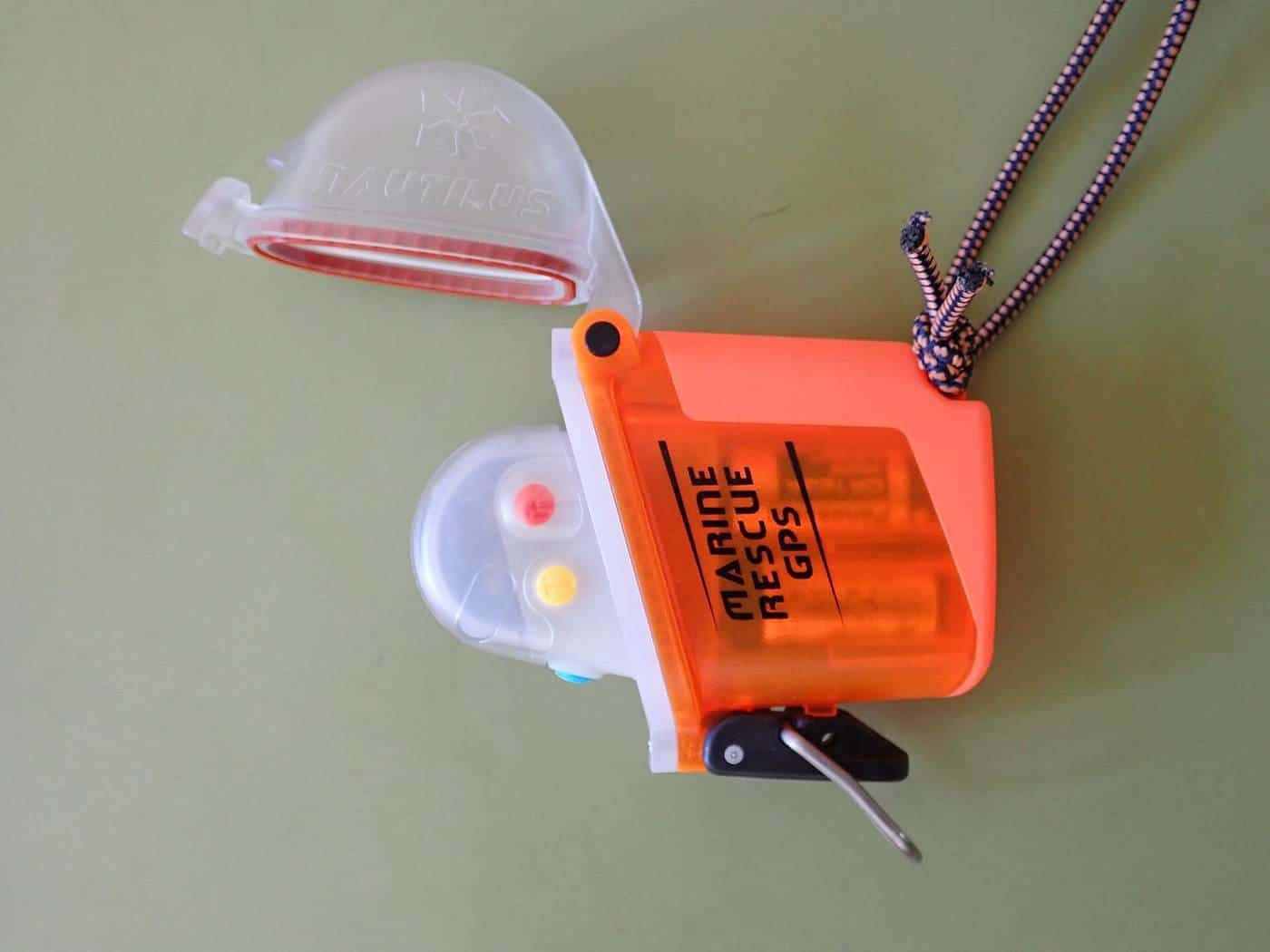
- Use your PLB as a last resort if you're in danger or injured and can't contact emergency services. Once it's activated, NSW National Parks says to stay where you are.
If someone is injured
Make the scene safe, give first aid, keep the injured person warm and call for help. If you have three or more people, one can stay with them while others get help. Note your location carefully.
Know when to turn back
Changing plans is a sign of experience. Turn back if the weather turns, a creek is rising, someone is unwell or tired, or you're behind schedule. A turnaround time set before you start makes this decision easier.
After your walk
Let your emergency contact know you're back safely. If you filled in a trip intention form, tell them you've returned so they don't raise an alarm.
Use our pack list
Our free pack list builds a checklist from the type of walk and the conditions you choose, such as hot weather, cold or alpine areas, remote walks without phone coverage and walking with children. It is based on NSW National Parks' bushwalking safety advice, runs entirely in your browser, and nothing you choose is sent anywhere.
Where our information comes from
Factual statements in our guides are based on official and expert sources, including NSW National Parks and Wildlife Service, the Australian Maritime Safety Authority, healthdirect, the Australian and New Zealand Committee on Resuscitation, St John Ambulance, the Australian Fire Danger Rating System, the NSW Rural Fire Service, the Bureau of Meteorology, Leave No Trace Australia and Parks and Wildlife Service Tasmania. We link to each source at the end of the page and write everything in our own words.
Conditions change
Tracks close for fire, flood, storm damage, maintenance and pest control, and conditions can change quickly. Safety advice and park rules are also updated from time to time, and they differ between states and parks. Treat our guides as a starting point, and always check current park alerts, the weather forecast and the fire danger rating with the managing agency before you go.
Other states and territories
Our examples often draw on NSW National Parks advice, because it is detailed and clearly written, but every state and territory has its own parks agency, rules and safety information. Before walking in another state, check that agency's website for park alerts, bookings, fire and camping rules, and any trip registration options.
Learn first aid and navigation
Two skills make the biggest difference for regular walkers: first aid and navigation. A recognised first aid course teaches you how to manage injuries, snakebite and medical emergencies until help arrives. Navigation skills, including reading a topographic map and using a compass, help you stay on route when signs are missing or your phone fails. Walking clubs often run navigation training.
Walking clubs
Bushwalking clubs are a great way to build experience. Club walks are usually graded, led by experienced members and planned with safety in mind, and many clubs run training in navigation, first aid and multi-day walking. They are also a good way to discover new walks and meet people who share your interest.
A quick checklist
If you remember only a few things from our guides, make them these: choose a walk that suits the slowest person; check the weather, park alerts and fire danger; carry water, food, layers, a map, a torch and a first aid kit; tell someone your plans; carry a PLB for remote walks; and turn back when conditions change. In an emergency, call Triple Zero (000).
Respect Country
Every walk in Australia is on the Country of Aboriginal and Torres Strait Islander peoples, many of whom continue to care for these places. Learn about the Traditional Owners of the areas you visit, respect any requests about culturally significant sites, and leave cultural places undisturbed.
Key points
- Think Before You TREK: take supplies, register your trip, know the route and carry a PLB for remote walks.
- Walk in groups of three or more where possible.
- A trip intention form doesn't trigger a rescue; your contact must call NSW Police if you're overdue.
- If lost, stop, stay put if safe, try 000 and use a PLB as a last resort.
- Set a turnaround time, and turn back when conditions change.
Frequently asked questions
What is a trip intention form?
An online form, offered in NSW by National Parks and NSW Police, that records your route, group, return time and emergency contacts and emails a summary to your contacts.
Does a trip intention form trigger a rescue automatically?
No. NSW National Parks says your emergency contact must contact NSW Police if you don't return on time.
How many people should walk together?
NSW National Parks recommends groups of three or more, so one person can stay with an injured walker while another gets help.
What should I do if I get lost?
Stop, stay calm and stay where you are if you can, keep warm, try to call 000, and use a PLB as a last resort if you're in danger.
Sources and further reading
Facts on this page were checked against these primary and official sources. Conditions change — confirm before you travel or buy.
- Bushwalking safety — NSW National Parks and Wildlife Service
- Think Before You TREK — NSW National Parks and Wildlife Service
- Register your bushwalking trip — NSW National Parks and Wildlife Service
- Personal Locator Beacons and GPS — NSW National Parks and Wildlife Service