A multi-day hike, carrying everything you need and camping along the way, is one of the most memorable experiences in Australian walking. It's also a big step up from day walks in planning, fitness and self-reliance. This guide covers how to plan a first overnight or multi-day walk.
This guide is general information written in our own words, based on the official sources listed at the end. Track conditions, closures, fire danger and safety advice change, and rules differ between parks and states, so always check current park alerts and the managing agency's advice before you go. It is not a substitute for first aid training or local knowledge. In an emergency, call Triple Zero (000).
Build up first
Before a multi-day walk, build experience with long day walks over similar terrain and, ideally, a single overnight walk close to the car. This tests your fitness, your gear and how you cope carrying a heavier pack. Many walkers join a club or go with experienced friends for their first trips.
Choosing a route
For a first multi-day walk, choose a well-known, well-marked route with established campsites, good information from the managing agency, and options to exit early. Look carefully at daily distances, climbs, water availability and the track grade. Our choosing a walk guide explains how grades work.
Bookings, permits and fees
Many popular multi-day walks need bookings, permits or fees, and some have limited places in peak seasons or set walking directions. Check the managing agency's website well in advance, and read any conditions carefully.
Gear
On top of your day pack list, you'll need:
- A comfortable, well-fitted pack big enough for your gear and food.
- A tent suited to the conditions.
- A sleeping bag and mat rated for the lowest temperatures you might expect.
- A fuel stove, pot and lighter.
- Water treatment.
- A trowel for toileting where there are no toilets.
- Spare clothes in a waterproof bag, and warm layers for camp.
- A headlamp and spare batteries.
Keep weight down by carrying only what you need. Test all gear before the trip.
Food
Plan meals for each day, plus a spare day's food in case of delays. Lightweight, high-energy food is best. Pack it in a way that keeps it dry and protected from animals.
Water
Water availability is one of the most important factors on a multi-day walk. Check official track notes for tanks and reliable creeks, and don't assume water will be there, especially in dry seasons. Treat water before drinking unless it's signposted as treated.
Campsites and fire
Use established campsites where they exist. Many parks don't allow campfires, and fire bans apply on high-risk days, so carry a fuel stove. Leave No Trace Australia's principles include minimising campfire impacts. Follow the agency's rules for each campsite.
Toileting
Use toilets where provided. Where there are none, follow the managing agency's guidance, which typically involves going well away from water, tracks and campsites and burying waste. Carry out toilet paper and hygiene products. See our Leave No Trace guide.
Safety on longer walks
Multi-day walks are often remote, so:
- Lodge a trip intention form or detailed plan with a trusted contact, including your planned campsites and return date. In NSW, the online form records this information, but your contact must call NSW Police if you're overdue.
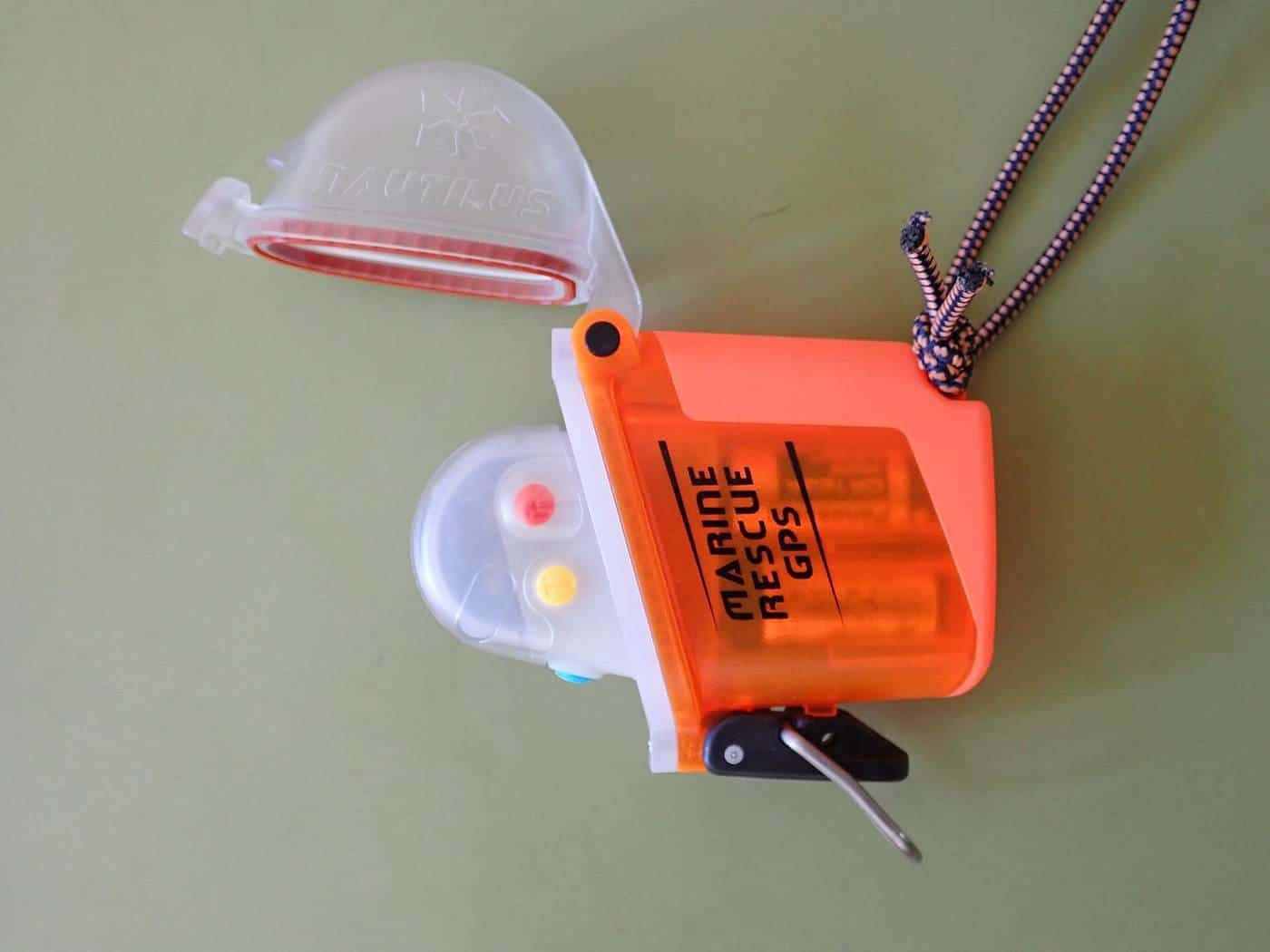
- Carry a registered personal locator beacon. NSW National Parks recommends PLBs for remote walks; see our PLB guide.
- Carry a paper map and compass as well as any GPS.
- Check the forecast, fire danger and park alerts right before you leave.
- Be prepared to wait out bad weather, cross creeks only when safe and use exit points if needed.
Pacing yourself
Start each day early, take regular breaks, and plan to reach camp with daylight to spare. Look after your feet, treating hot spots before they become blisters.
After the walk
Let your emergency contact know you're back, clean your gear, and note what worked and what you'd change. Every trip makes the next one easier.
Training for the walk
In the weeks before a multi-day walk, do some long day walks carrying a pack with a similar weight to what you'll take. Practise on hills and steps if your route has them. This helps you find out whether your pack, footwear and socks are comfortable over long days, and builds the fitness to enjoy the walk rather than endure it.
Weather and turning back
Weather can change quickly on longer walks, particularly in alpine areas and Tasmania. Check the forecast immediately before you go, carry gear for the worst conditions you might expect, and know your exit points. Be prepared to wait at a campsite or turn back if conditions become dangerous, and make sure your emergency contact knows that delays are possible.
Use our pack list
Our free pack list builds a checklist from the type of walk and the conditions you choose, such as hot weather, cold or alpine areas, remote walks without phone coverage and walking with children. It is based on NSW National Parks' bushwalking safety advice, runs entirely in your browser, and nothing you choose is sent anywhere.
Where our information comes from
Factual statements in our guides are based on official and expert sources, including NSW National Parks and Wildlife Service, the Australian Maritime Safety Authority, healthdirect, the Australian and New Zealand Committee on Resuscitation, St John Ambulance, the Australian Fire Danger Rating System, the NSW Rural Fire Service, the Bureau of Meteorology, Leave No Trace Australia and Parks and Wildlife Service Tasmania. We link to each source at the end of the page and write everything in our own words.
Conditions change
Tracks close for fire, flood, storm damage, maintenance and pest control, and conditions can change quickly. Safety advice and park rules are also updated from time to time, and they differ between states and parks. Treat our guides as a starting point, and always check current park alerts, the weather forecast and the fire danger rating with the managing agency before you go.
Other states and territories
Our examples often draw on NSW National Parks advice, because it is detailed and clearly written, but every state and territory has its own parks agency, rules and safety information. Before walking in another state, check that agency's website for park alerts, bookings, fire and camping rules, and any trip registration options.
Learn first aid and navigation
Two skills make the biggest difference for regular walkers: first aid and navigation. A recognised first aid course teaches you how to manage injuries, snakebite and medical emergencies until help arrives. Navigation skills, including reading a topographic map and using a compass, help you stay on route when signs are missing or your phone fails. Walking clubs often run navigation training.
Walking clubs
Bushwalking clubs are a great way to build experience. Club walks are usually graded, led by experienced members and planned with safety in mind, and many clubs run training in navigation, first aid and multi-day walking. They are also a good way to discover new walks and meet people who share your interest.
A quick checklist
If you remember only a few things from our guides, make them these: choose a walk that suits the slowest person; check the weather, park alerts and fire danger; carry water, food, layers, a map, a torch and a first aid kit; tell someone your plans; carry a PLB for remote walks; and turn back when conditions change. In an emergency, call Triple Zero (000).
Respect Country
Every walk in Australia is on the Country of Aboriginal and Torres Strait Islander peoples, many of whom continue to care for these places. Learn about the Traditional Owners of the areas you visit, respect any requests about culturally significant sites, and leave cultural places undisturbed.
Key points
- Build up with long day walks and a short overnight trip first.
- Choose a well-marked route and check bookings, permits and water.
- Carry a fuel stove; many parks ban campfires.
- Lodge a detailed trip plan and carry a registered PLB.
- Carry a spare day of food and a paper map and compass.
Frequently asked questions
How do I prepare for a first multi-day hike?
Build up with long day walks and a short overnight walk, test your gear, and choose a well-known, well-marked route.
Do I need to book campsites?
Many popular multi-day walks require bookings or permits, and some have limited places. Check with the managing agency.
Should I carry a PLB on a multi-day hike?
Yes. Parks agencies recommend PLBs for remote walks, and they are especially useful on long-distance and multi-day hikes.
Can I light a campfire?
Often not. Many parks ban campfires, and fire bans apply on high-risk days. Use a fuel stove where allowed.
Sources and further reading
Facts on this page were checked against these primary and official sources. Conditions change — confirm before you travel or buy.
- Bushwalking safety — NSW National Parks and Wildlife Service
- Think Before You TREK — NSW National Parks and Wildlife Service
- Register your bushwalking trip — NSW National Parks and Wildlife Service
- Personal Locator Beacons and GPS — NSW National Parks and Wildlife Service
- 7 principles of Leave No Trace — Leave No Trace Australia