Bushwalking is one of the best ways to share nature with children, and many lifelong walkers started as kids on short family walks. The key is to plan around the children rather than the destination: choose short, interesting tracks, pack well and keep a close eye on safety. This guide covers the essentials.
This guide is general information written in our own words, based on the official sources listed at the end. Track conditions, closures, fire danger and safety advice change, and rules differ between parks and states, so always check current park alerts and the managing agency's advice before you go. It is not a substitute for first aid training or local knowledge. In an emergency, call Triple Zero (000).
Choose the right track
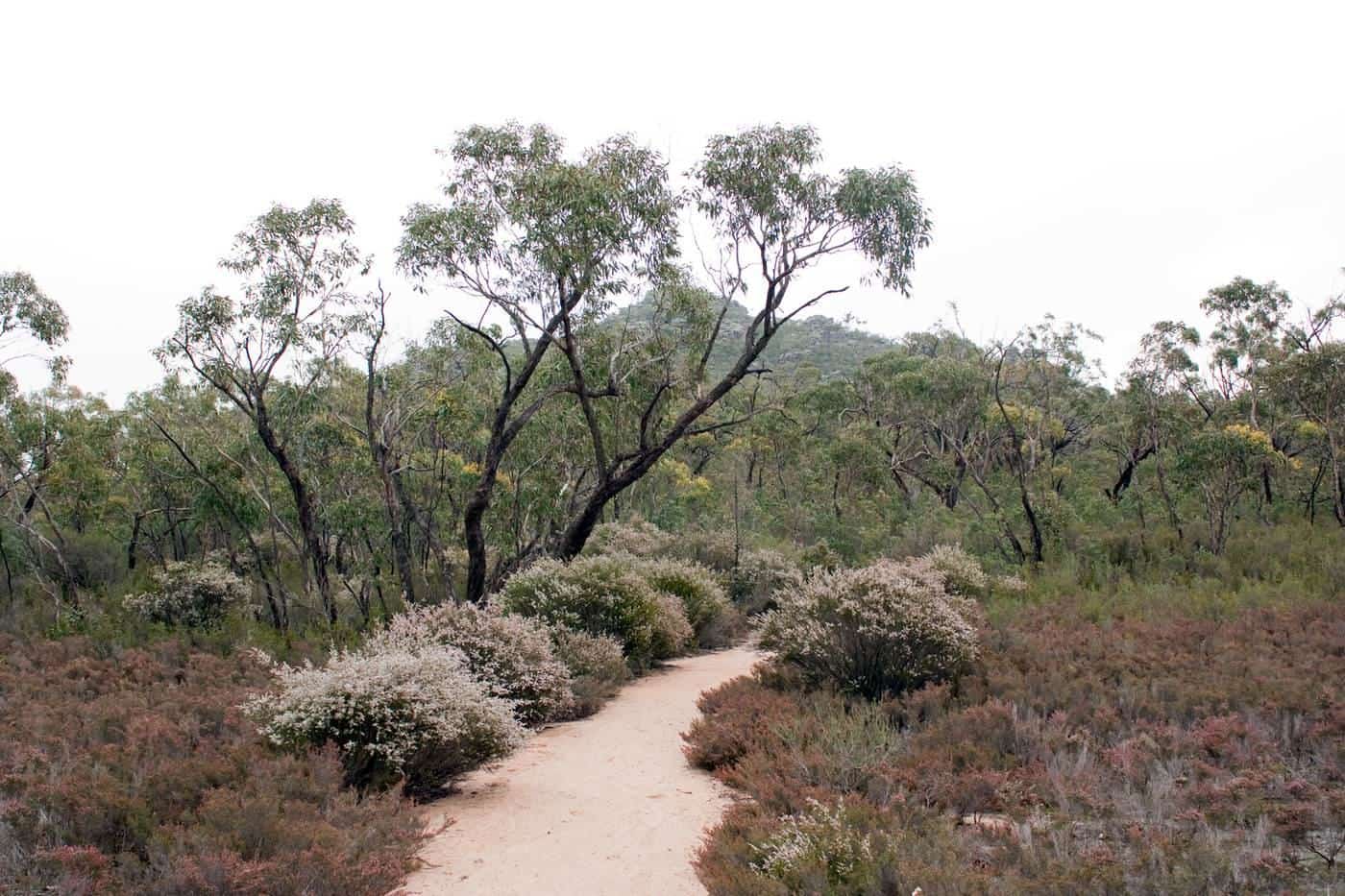
Start with short, easy tracks: Grade 1 and 2 walks on the Australian Walking Track Grading System are described as suitable for people with no bushwalking experience. NSW National Parks advises going at the pace of the slowest person, which with children usually means a much slower pace than adults alone. Look for walks with interest along the way, such as a creek, a lookout, a beach or a picnic area at the end. Loop walks or walks with an easy return are better than long one-way tracks.
Read walk descriptions for steps, cliff edges and water. A short walk with long drops and no barriers is often less suitable for young children than a longer, flatter one.
Plan for short attention spans and legs
Children tire quickly, and a child who is carried for the last kilometre can make the walk hard for everyone. Plan a walk that's shorter than you think they can manage, allow plenty of breaks and set a turnaround time. It's far better to finish while everyone is still happy.
Pack for the whole family
Take everything on a normal day pack list, plus extras for children:
- More water and snacks than you think you'll need.
- Extra layers and a change of clothes for younger children.
- Sun protection: hats, sunscreen and long, light clothing.
- First aid supplies, including any medicines your children need.
- A whistle for each child, with an agreed rule about when to use it.
- A carrier for babies and toddlers.
Our pack list has an option for walking with children.
Safety rules for children
Agree simple rules before you start:
- Stay where an adult can see you, and wait at junctions.
- Stay on the track, and behind barriers and fences at lookouts.
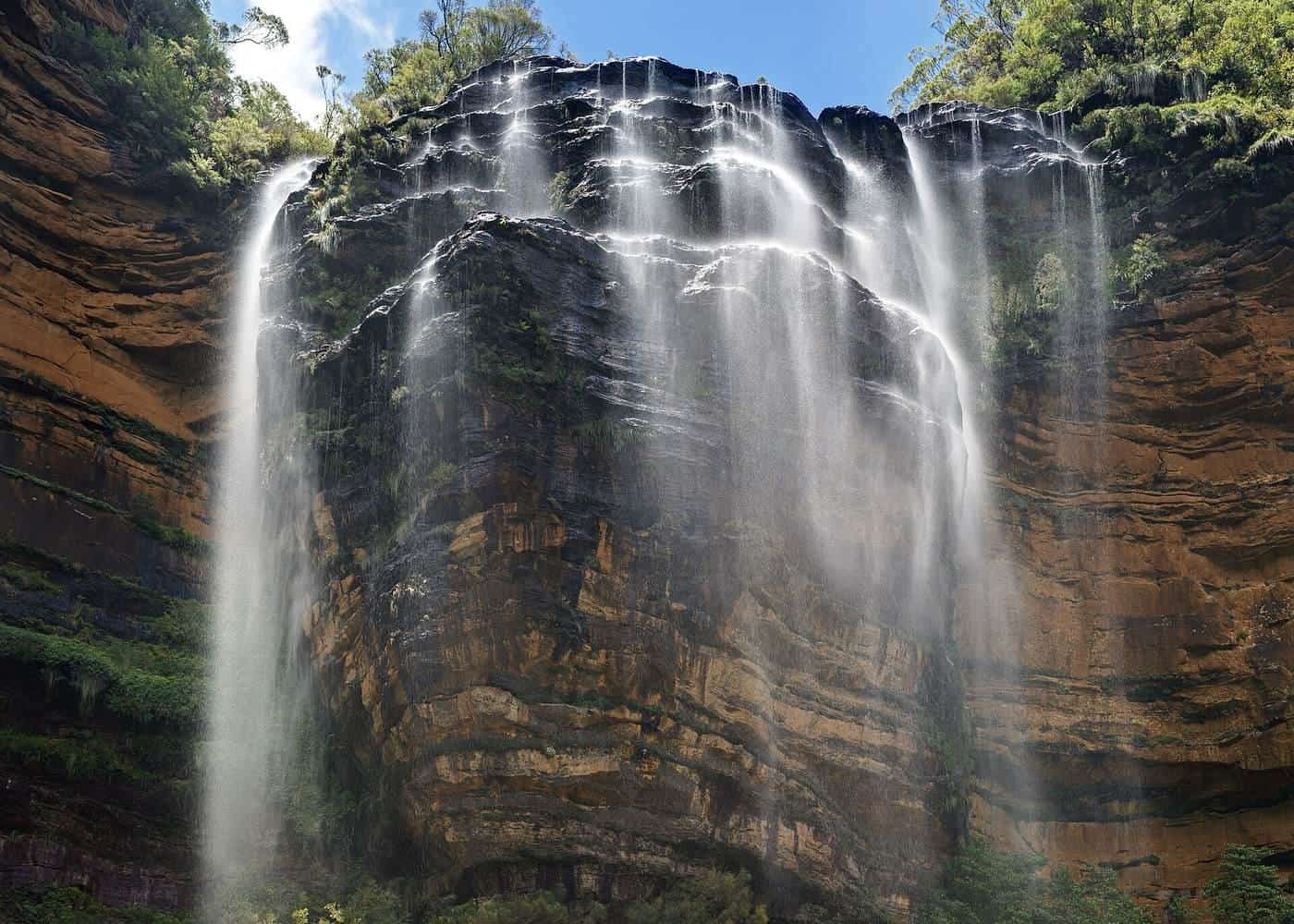
- Don't go near cliff edges, waterfalls or fast water.
- If you're lost, stay where you are and blow your whistle.
- Don't touch snakes or other wildlife; stand still and back away calmly.
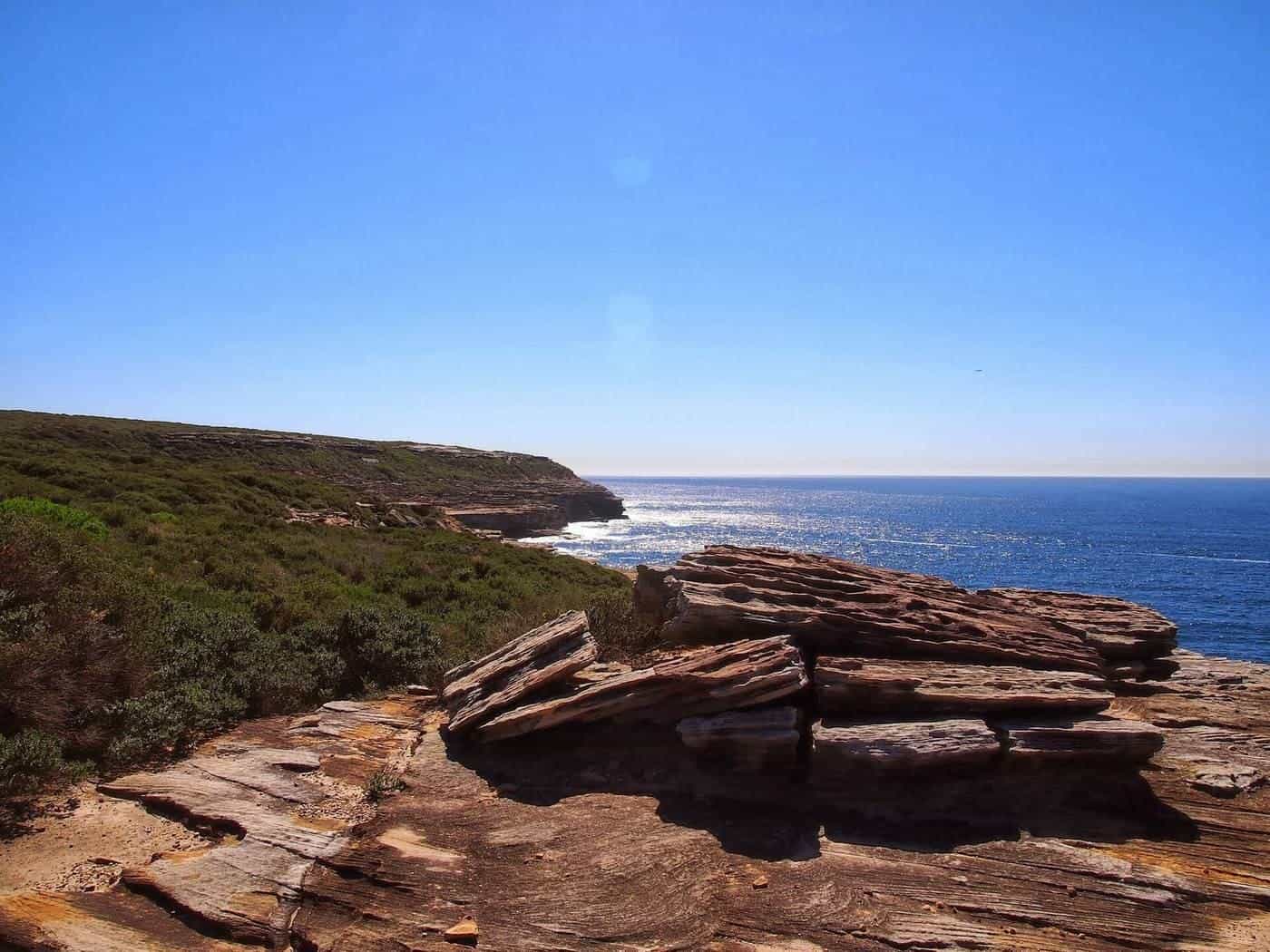
Keep young children close and within reach around cliffs and water at all times. Rock surfaces near waterfalls and on coastal platforms can be slippery.
Bright clothes and a group plan
NSW National Parks recommends bright coloured clothes so you can be easily seen. This is especially helpful with children. Before you set off, make sure each adult knows their role, and count heads at every stop.
Make it fun
Games keep children engaged: spotting birds, looking for animal tracks, counting different kinds of trees, or letting older kids navigate with a map. Give them a small pack with their own water and snack. Stop to explore creeks safely, look at fungi and listen for birds. Teach them to leave things as they found them and carry out their rubbish, as Leave No Trace principles suggest.
Weather and heat
Children are more vulnerable to heat and cold than adults. Avoid hot, exposed walks in summer, start early, and rest in the shade. Check the forecast and fire danger rating before you go.
Tell someone and carry a phone
Tell someone where you're going and when you expect to be back, and carry a charged phone. For anything beyond short, busy tracks, consider a trip intention form and a personal locator beacon; see our safety basics guide.
Building up
As children grow, gradually try longer and more varied walks. Many families progress to overnight walks with a short first day close to the car. Let children help plan the walk, read the map and choose the snacks; they'll be more invested in the day.
Overnight walks with children
When children are ready, a first overnight walk can be a highlight. Choose a short walk to a campsite close to the car or a road, so you can change plans if needed. Pack extra warm layers, familiar food and a torch for each child. Our multi-day hike guide covers the basics of planning and gear.
Use our pack list
Our free pack list builds a checklist from the type of walk and the conditions you choose, such as hot weather, cold or alpine areas, remote walks without phone coverage and walking with children. It is based on NSW National Parks' bushwalking safety advice, runs entirely in your browser, and nothing you choose is sent anywhere.
Where our information comes from
Factual statements in our guides are based on official and expert sources, including NSW National Parks and Wildlife Service, the Australian Maritime Safety Authority, healthdirect, the Australian and New Zealand Committee on Resuscitation, St John Ambulance, the Australian Fire Danger Rating System, the NSW Rural Fire Service, the Bureau of Meteorology, Leave No Trace Australia and Parks and Wildlife Service Tasmania. We link to each source at the end of the page and write everything in our own words.
Conditions change
Tracks close for fire, flood, storm damage, maintenance and pest control, and conditions can change quickly. Safety advice and park rules are also updated from time to time, and they differ between states and parks. Treat our guides as a starting point, and always check current park alerts, the weather forecast and the fire danger rating with the managing agency before you go.
Other states and territories
Our examples often draw on NSW National Parks advice, because it is detailed and clearly written, but every state and territory has its own parks agency, rules and safety information. Before walking in another state, check that agency's website for park alerts, bookings, fire and camping rules, and any trip registration options.
Learn first aid and navigation
Two skills make the biggest difference for regular walkers: first aid and navigation. A recognised first aid course teaches you how to manage injuries, snakebite and medical emergencies until help arrives. Navigation skills, including reading a topographic map and using a compass, help you stay on route when signs are missing or your phone fails. Walking clubs often run navigation training.
Walking clubs
Bushwalking clubs are a great way to build experience. Club walks are usually graded, led by experienced members and planned with safety in mind, and many clubs run training in navigation, first aid and multi-day walking. They are also a good way to discover new walks and meet people who share your interest.
A quick checklist
If you remember only a few things from our guides, make them these: choose a walk that suits the slowest person; check the weather, park alerts and fire danger; carry water, food, layers, a map, a torch and a first aid kit; tell someone your plans; carry a PLB for remote walks; and turn back when conditions change. In an emergency, call Triple Zero (000).
Respect Country
Every walk in Australia is on the Country of Aboriginal and Torres Strait Islander peoples, many of whom continue to care for these places. Learn about the Traditional Owners of the areas you visit, respect any requests about culturally significant sites, and leave cultural places undisturbed.
Key points
- Choose short, easy, interesting tracks with a clear way back.
- Pack extra water, snacks and layers, and give each child a whistle.
- Keep young children within reach near cliffs and water.
- Agree simple safety rules, including staying put if lost.
- Finish while everyone is still enjoying it.
Frequently asked questions
What is a good first walk for children?
A short, easy Grade 1 or 2 track with something interesting along the way, such as a lookout, creek or beach, and a clear way back.
How far can kids walk?
It depends on age, fitness and terrain. Start short and build up, and plan for frequent breaks.
How do I keep children safe near cliffs and water?
Keep young children close and within reach, stay behind barriers and on tracks, and supervise constantly near water.
What should children carry?
Older children can carry their own small pack with water, a snack, a jacket and a whistle.
Sources and further reading
Facts on this page were checked against these primary and official sources. Conditions change — confirm before you travel or buy.
- Bushwalking safety — NSW National Parks and Wildlife Service
- Think Before You TREK — NSW National Parks and Wildlife Service
- Australian Walking Track Grading System — NSW National Parks and Wildlife Service